Hair loss can be an emotional and confidence-shaking experience for both men and women. With advances in medical aesthetics, hair transplant procedures have become one of the most reliable ways to restore natural-looking hair. However, many people searching for solutions often type one important phrase into search engines: “hair transplant before and after results.” They want to know what to expect, how real the transformation is, and whether the procedure is truly worth it.
This guide breaks down everything you need to know about hair transplant results—what happens before the procedure, what changes after, and how long it really takes to see visible growth.
Understanding Hair Transplant Surgery
A hair transplant is a medical procedure that moves healthy hair follicles from a “donor area” (usually the back or sides of the scalp) to areas affected by thinning or baldness. The two most common techniques used today are:
- FUE (Follicular Unit Extraction): Individual hair follicles are extracted and transferred.
- FUT (Follicular Unit Transplantation): A strip of scalp is removed, and hair follicles are harvested from it.
Both methods aim to deliver natural-looking, permanent hair restoration when performed by experienced professionals.
The “Before” Stage: What Patients Typically Experience
Before a hair transplant, most individuals struggle with visible hair thinning, receding hairlines, bald patches, or overall scalp visibility. These issues often affect self-esteem, social confidence, and even professional interactions.
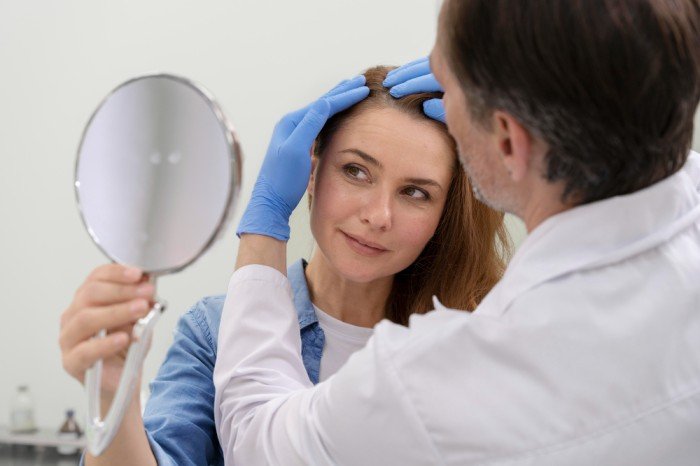
During this phase, a proper consultation is essential. A doctor evaluates:
- Hair loss pattern and severity
- Donor hair density
- Scalp health
- Patient age and expectations
- Medical history
Patients are also advised to avoid smoking, alcohol, and certain medications before surgery to ensure better healing and graft survival.
Emotionally, the “before” phase is filled with hope mixed with uncertainty. Many patients wonder if the results will look natural or if people will notice the procedure.
The Procedure Day: A Turning Point
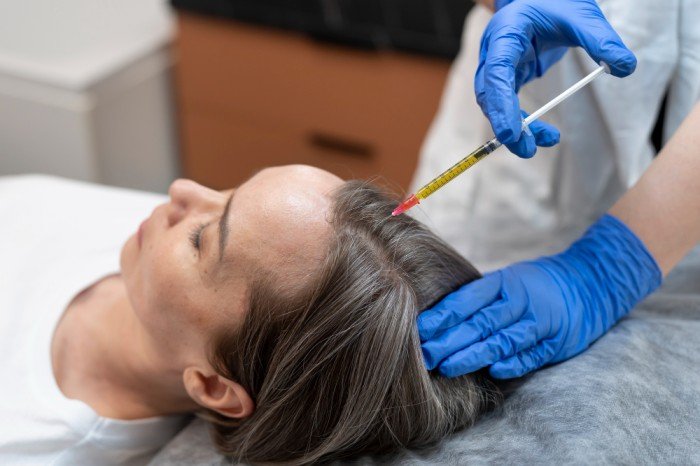
On the day of the transplant, local anesthesia is used, making the process relatively painless. The procedure can take anywhere from 4 to 8 hours depending on the number of grafts being transplanted. Patients remain awake and comfortable throughout.
Once the grafts are implanted, the newly restored hairline or crown immediately becomes visible. Although redness and mild swelling are common, this marks the beginning of transformation.
The First Few Weeks After Surgery
The early “after” stage is often misunderstood. Within the first 2 to 4 weeks, transplanted hair usually falls out. This can be alarming, but it is completely normal and known as shock loss. The follicles remain alive under the skin and begin producing new hair after a short resting phase.
During this period:
- Scabs form and fall off naturally
- Redness gradually fades
- Mild discomfort or itching may occur
- Patients must strictly follow post-operative care instructions
This phase requires patience and trust in the process.
3 to 6 Months: Early Visible Changes
This is when true excitement begins. Around the 3-month mark, new hair starts to emerge from the transplanted follicles. At first, the hair may appear thin, soft, or uneven. By the 5th or 6th month, density noticeably improves.
Patients begin to:
- See their hairline taking shape
- Style their hair lightly
- Receive compliments from friends and family
At this stage, the transformation becomes visible but is still developing.
9 to 12 Months: Full Transformation
The most dramatic “after” results appear between 9 and 12 months post-transplant. By this time, about 90–100% of the transplanted hair has grown in. The hair becomes thicker, darker, and more natural in appearance.
This is when patients truly experience:
- Fully restored hairline
- Improved crown density
- Natural blending with existing hair
- A major confidence boost
For many, this stage feels life-changing. The difference between “before” and “after” is now clearly visible in photos and everyday life.
What Makes Hair Transplant Results Look Natural?
Several factors influence how natural the final outcome looks:
- Surgeon’s expertise: Proper angle, direction, and density are critical
- Donor hair quality: Strong donor follicles lead to stronger growth
- Patient’s healing ability: Overall health affects results
- Post-procedure care: Following instructions is essential
- Realistic expectations: Transplants enhance appearance, not perfection
A well-executed transplant is virtually undetectable once fully healed.
Psychological Impact of Before and After Results
Beyond physical appearance, the emotional shift is profound. Many patients report:
- Increased self-confidence
- Better social interactions
- Improved professional presence
- Reduced anxiety about hair loss
The “after” results often restore not just hair, but a positive self-image.
Are Hair Transplant Results Permanent?
Yes. Transplanted hair is usually taken from areas that are resistant to hair loss. Once the follicles settle, the new hair grows naturally for a lifetime. However, native hair around transplanted areas may continue to thin over time, making some patients opt for future sessions.
Managing Expectations: What Hair Transplants Can and Cannot Do
While before and after results are often impressive, it’s important to understand that:
- A transplant improves coverage, not original childhood density
- Results take up to a year to fully mature
- Maintenance with medication may still be recommended
- Each patient’s growth pattern is unique
Having realistic expectations ensures higher satisfaction.
Final Thoughts
Hair transplant before and after results clearly show that modern hair restoration is more effective and natural-looking than ever before. From the uncertain early days of hair loss to the confidence-boosting final transformation, the journey requires patience—but the reward is often life-changing.
If you are considering a hair transplant, always choose a qualified specialist, understand the timeline, and commit to proper aftercare. The transformation doesn’t happen overnight, but with time, consistency, and professional care, the “after” results can exceed expectations.