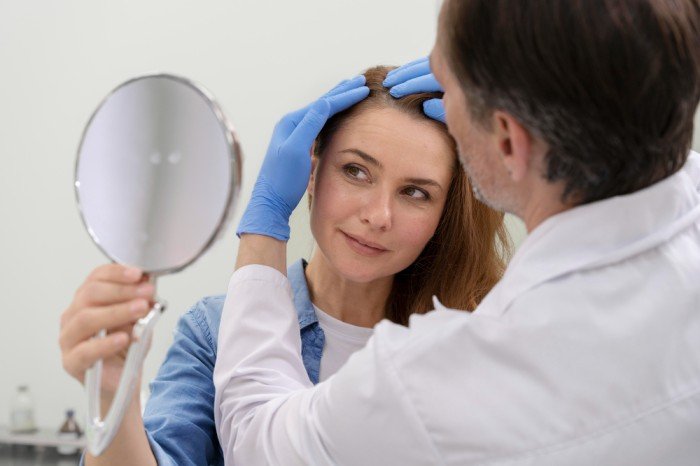

Hair fall is one of the most common concerns women face, regardless of age or lifestyle. If it doesn’t show up during the teenage years due to frequent styling and experimentation, it often appears later—after childbirth or during menopause. Many women keep asking, “What is the reason for hair loss in the female body?” The truth is, it’s rarely just one reason.
Understanding hair fall in women, especially the role of hormonal changes, diet, and daily habits, is the first step toward effective prevention and long-term hair health. In advanced or long-standing cases where thinning becomes permanent, options like hair transplant for women are often explored alongside medical management. Let’s explore what is normal, what is not, and how women can reduce hair fall naturally.
Understanding the Hair Growth Cycle in Women
To understand how to prevent hair loss in women, it’s important to first know how hair normally grows.
- Anagen (Growth Phase): Lasts 2–6 years
- Catagen (Transition Phase): Lasts a few weeks
- Telogen (Resting/Shedding Phase): Lasts 2–3 months
Losing around 80–100 strands per day is normal. Hair fall becomes a concern when more hair enters the telogen phase than the anagen phase, leading to excessive shedding and visible thinning. If this imbalance continues for years, many women eventually consider corrective solutions such as hair transplant for women, especially when regrowth does not respond to treatment.
Hormonal Changes: A Major Cause of Hair Loss in Female Health
One of the most significant hair loss causes in women is hormonal imbalance. Female hormones directly regulate the hair growth cycle, and even a small fluctuation can lead to noticeable hair fall.
Hair Fall During Puberty and Early Adulthood
During puberty, androgen (male hormone) levels increase in both men and women. This stimulates oil glands in the scalp, leading to excess sebum production. When oil mixes with dirt and dead skin cells, it can clog hair follicles, weakening hair roots and causing shedding.
Hair Fall After Pregnancy (Postpartum Hair Loss)
During pregnancy, high estrogen levels keep hair in the growth phase. After childbirth, estrogen levels drop suddenly, pushing more hair into the shedding phase. This results in noticeable hair fall, usually 2–4 months after delivery. While this condition is temporary, unresolved thinning can later prompt women to research hair transplant for women as a long-term option.
PCOS and Thyroid Disorders
- PCOS (Polycystic Ovary Syndrome): Leads to excess androgen production, causing thinning mainly at the crown
- Hypothyroidism / Hyperthyroidism: Slows hair growth and increases hair shedding
These medical conditions require proper diagnosis and treatment to control hair loss in female patients. In resistant cases, treatment plans may combine medication with procedures like hair transplant for women, depending on severity.
Menopause and Perimenopause
As estrogen and progesterone levels decline, the hair growth cycle slows. Hair becomes thinner, finer, and less dense, especially around the parting and crown. This is one of the most common stages when women start evaluating female hair transplant before and after results to understand realistic outcomes.
Diet Deficiencies That Trigger Women Hair Fall
Poor nutrition is one of the most overlooked women hair fall reasons. Your diet directly affects hair strength and growth.
Key Nutrients Linked to Hair Growth
- Protein: Hair is made of keratin
- Iron: Low iron reduces oxygen supply to hair follicles
- Vitamin D: Supports follicle regeneration
- Vitamin B12 & Biotin: Improve hair strength
- Zinc: Prevents follicle shrinkage
Hair Fall Due to Anemia
Iron-deficiency anemia is a leading cause of hair fall in women, especially in India. Symptoms include excessive hair shedding, fatigue, brittle nails, and weakness. Without correction, chronic anemia can contribute to irreversible thinning, increasing interest in options like hair transplant for women and concerns around hair transplant for women cost.
Daily Habits That Damage Hair Over Time
Even when hormones and diet are under control, poor daily habits can worsen hair fall.
Excessive Heat Styling
Frequent straightening, curling, and blow-drying weaken the hair shaft, causing breakage and split ends.
Tight Hairstyles
Ponytails, buns, and tight braids pull on hair roots and can cause traction alopecia, a preventable form of hair loss in women.
Stress and Sleep Deprivation
Chronic stress and lack of sleep push hair into the resting phase prematurely, resulting in temporary but severe hair shedding. Many women initially try medical care such as hair loss treatment in delhi before considering surgical correction.
Chemical Treatments
Repeated coloring, rebonding, or smoothening damages the cuticle layer, weakening hair and increasing breakage.
Medical Conditions That Cause Hair Loss in Female Patients
Some types of hair fall require medical attention, not cosmetic fixes.
- Telogen Effluvium: Sudden hair fall after illness, surgery, or emotional stress
- Female Pattern Hair Loss: Genetic thinning at the crown and parting
- Autoimmune Conditions: Such as alopecia areata
For genetic hair loss, long-term management may include medications, PRP therapy, or surgical solutions like hair transplant for women, with many patients comparing hair transplant cost in Hyderabad based on clinic expertise and technology.
When to Seek Professional Help
Consult a specialist if:
- Hair fall lasts more than 3–4 months
- You notice widening of the hair part
- Hair thinning runs in your family
- Hair fall is accompanied by fatigue, acne, or irregular periods
Early consultation helps reduce overall hair transplant for women cost by addressing issues before advanced thinning develops.
Practical Tips to Reduce Hair Fall in Women
Here’s how to manage hair fall in women effectively:
- Eat a balanced, protein-rich diet
- Avoid crash dieting
- Massage the scalp 2–3 times a week
- Reduce heat styling
- Manage stress with proper sleep and exercise
- Use mild, sulfate-free shampoos
- Treat underlying hormonal issues
Myths About Hair Fall in Women
- Myth: Oil causes hair fall
Truth: Poor washing habits cause buildup, not oil itself - Myth: Cutting hair reduces hair fall
Truth: Hair fall starts at the scalp, not the ends - Myth: Hair loss products work overnight
Truth: Real improvement takes 3–6 months
Conclusion: Understanding the Real Causes of Hair Loss in Female Health
Hair fall is not just a cosmetic concern—it reflects overall health, hormone balance, nutrition, and lifestyle. The most common causes of hair loss in women include hormonal changes, nutritional deficiencies, stress, and damaging daily habits.
By addressing the root causes rather than just symptoms, women can achieve long-term hair health. When medical treatments are no longer effective, carefully planned solutions such as female hair transplant in gurgaon can offer permanent, natural-looking results.