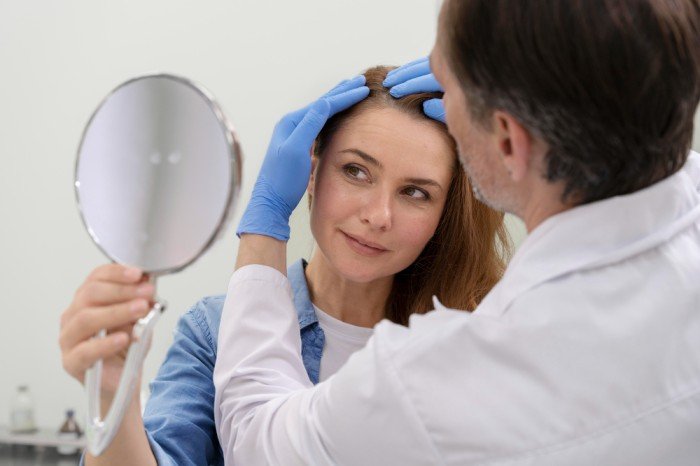
Clumps of hair on your pillow or in the shower can be really scary. Especially when it seems to happen all of a sudden. Sudden hair fall is a problem that many people face and while it can be serious it is often reversible once you figure out what is causing it.
If you are thinking of getting help from a hair transplant clinic it is good to know that sudden hair fall is usually linked to triggers rather than baldness. In this guide we will break down the causes of hair fall early warning signs and the most effective ways to control it.
What is Hair Fall?
Hair fall refers to noticeable shedding that starts over a few days or weeks.
- You may see hair coming out in handfuls
- You may notice increased shedding when you wash or comb your hair
- You may see thinning across your scalp not in one area
This is different from genetic hair loss, which is slow and happens over many years.
Is Sudden Hair Fall Normal?
Losing a few hairs every day is normal.
If you lose:
- A little hair it is okay
- A lot of hair you should pay attention to it
Common Causes of Sudden Hair Fall
1. Stress
Stress can really affect your hair.
- Exams can be stressful
- Work pressure can be stressful
- Being sick or having surgery can be stressful
When you are stressed your hair can start shedding
2. Not Eating Well
Hair needs food to grow.
- If you do not have iron your hair can fall out
- If you do not have protein your hair can fall out
3. Hormonal Imbalance
Hormones can affect your hair growth.
- Thyroid problems can affect your hair
- PCOS can affect your hair
- Changes after having a baby can affect your hair
Hormonal imbalance can cause hair fall.
4. Illness or Fever
If you have a fever or infection you may start shedding hair a few weeks later.
5. Crash Dieting or Weight Loss
Losing weight quickly can be bad for your hair.
- When you lose weight quickly your hair growth slows down
6. Hair Treatments & Chemical Damage
Using many chemicals on your hair can weaken your hair roots.
- Coloring your hair much can damage it
- Straightening your hair much can damage it
- Using many chemical treatments can damage your hair
7. Medications
Some medicines can cause hair fall as a side effect.
8. Scalp Conditions
Having a scalp condition can affect your hair health.
- Dandruff can affect your hair
- Infections can affect your hair
9. Seasonal Changes
Some people shed hair during certain seasons.
Early Signs You Should Not Ignore
- If you notice an increase in hair fall
- If you see thinning
- If your hair becomes weak or fine
- If you shed a lot of hair for weeks
You should pay attention to these signs.
How to Stop Sudden Hair Fall
1. Eat Well
Focus on eating:
- Foods that are rich in protein
- Foods that’re rich in iron
2. Manage Stress
Try to:
- Exercise regularly
- Meditate
- Sleep well
3. Avoid Harsh Hair Treatments
Try to:
- Reduce heat styling
- Reduce chemical exposure
Medical Treatments for Sudden Hair Fall
If care is not enough medical treatments can help.
PRP therapy:
- Stimulates hair follicles
- Improves hair density
- Reduces shedding
It can be a treatment for sudden hair fall.
When Should You See a Doctor?
You should see a doctor if:
- Your hair fall continues for than 2-3 months
- You notice patches
- Your hair thinning becomes noticeable
Do not wait long to see a doctor.
Common Myths About Sudden Hair Fall
Myth 1: It always leads to baldness
Reality: Most cases are temporary.
Myth 2: Oil alone can stop hair fall
Reality: You need to treat the root cause of your hair fall.
Myth 3: Washing hair causes hair fall
Reality: Washing only reveals hair that has already shed.
Tips for Healthy Hair
- Eat meals
- Reduce stress
Emotional Impact of Sudden Hair Fall
Losing hair can:
- Affect your confidence
- Cause anxiety
- Lead to stress
Conclusion:
If you are asking, “Why is my hair falling suddenly?”. The answer usually lies in factors like stress, nutrition, hormones or health changes.
- The good news is that most cases are temporary and treatable
- If the problem persists, seeking advice from a hair transplant clinic in gurgaon can help you get the right diagnosis and treatment plan