
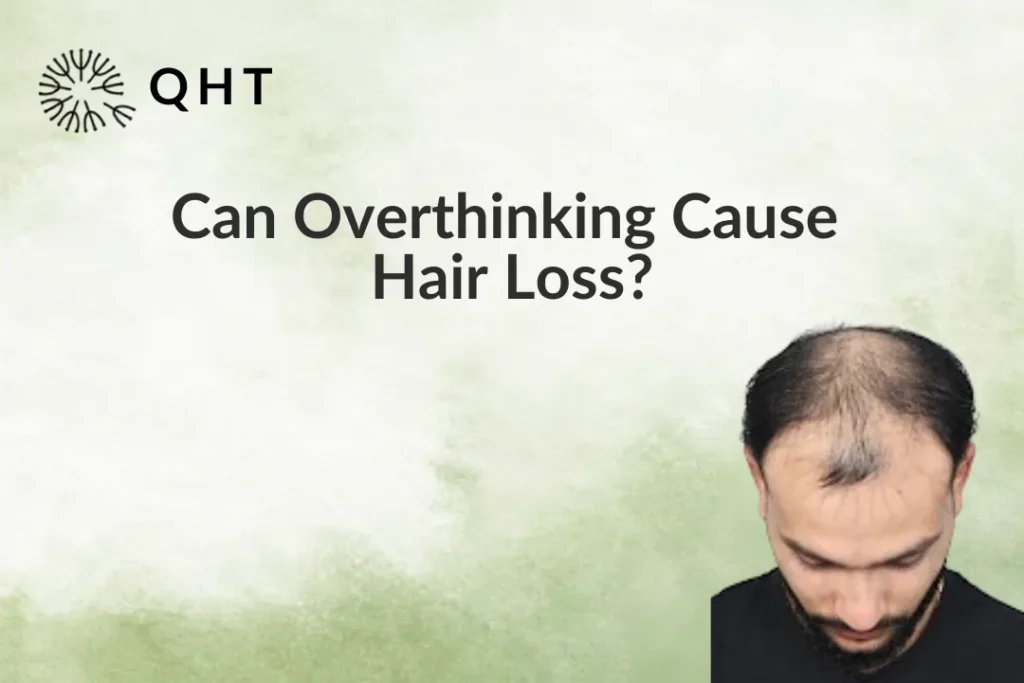
So you’ve probably seen more hair than usual on your pillow or caught more than one lock of hair swirling around your drain in the shower during a tough time. You’ve probably asked yourself – can thinking too much really cause your hair to fall out, or was that just a funny coincidence? The short answer is yes, it can. But it goes a little deeper than just “stress is evil” let’s look at it.
How Does Stress Affect Your Hair?
Hair won’t instantly shed just because you’re stressing out or rumination can affect your hair and that process takes time to catch up – hence why many people may not draw the link. When your mind is under serious pressure – either for your job, partner, or simply if it’s a bit of an overthinking machine – your brain dumps a stress hormone, cortisol, into your system. Excess cortisol levels over extended periods can disrupt your hair’s growth cycle.
Follicle growth cycles Your hair follicles go through a cycle of growing, resting and transition phases. A sudden surge in stress makes more hair follicles go into resting and shedding phase simultaneously, which can lead to hair loss a few months down the line.
Does Overthinking Cause Hair Loss Directly?
Not overnight. But when you have chronic overthinking that stretches weeks and months on end, those resulting hormonal changes are certainly not imagined, nor is the associated hair loss. When you experience chronic mental stress, it can also cause the onset of a hair condition called alopecia areata.
In this instance, the body’s own immune system targets hair follicles causing it to fall out patchy in nature and there’s no saying what it’s going to do to it!
There’s also something called trichotillomania, which is behavioural – when you constantly rip hair out yourself, often unconsciously to manage stress or emotional pain. It’s then that you get direct damage from trauma to your hair follicles. In summary: your overthinking itself won’t directly make your hair fall out, but it can kick start your body’s hormonal and physical response to make it happen!
Signs That Stress Could Be Behind Your Hair Loss
However, not all hair loss is the cause of stress. There are a couple of tells that can get you to consider that for your case, especially the stress factor. Your hair began falling out 2-3 months after experiencing an episode of high stress or if your scalp is shedding its hair, on all points instead of from one patch of hair or it slows when your life gets normal. Most people are thrown by the delay between stress and hair falling, as by then, their normal lives resume and stress seems like a thing of the past to connect the hair loss with.
Can the Hair Grow Back?
Most likely, yes. In most instances, hair loss brought on by stress is a transient condition. After you’ve tackled your stressful situation and the body is able to relax, the hair cycle will normalize again.
Be prepared to wait, however, as it may take anywhere from six to 12 months for this process to take place. Natural regrowth can be delayed if the hair has been shed for some time or the hair follicle has suffered a trauma over a sustained period.At such times the more that action is directed and purposefully aimed, the greater will be the benefits of its existence over patience and the waiting in observation.
What Can You Do About It?
Always deal with the cause first. Consistent exercise, quality sleep and working through ongoing stress- whether with talk therapy, mindfulness, or simple changes in how you live your life- will lower cortisol over time and give your hair follicles a rest and recovery. When it comes to treatment, PRP therapy is a fantastic non-surgical option that reactivates dormant hair follicles with growth factors. Hair transplants provide an excellent permanent and natural-looking hair solution for those with more significant loss when hair is not being grown from the existing follicle.
When to See a Specialist?
For a more sustained loss of 3-4 months (or more), if you just wait and hope the hair comes back on its own – the results are not always so positive. A professional review will let you know if you still have living follicles, and if you do, what is your optimal course of action.
Final Thoughts
Overthinking triggers hair fall: it is not a myth, but a physiological progression that happens silently over many months. The good news is that this is treatable; and more so, it can be arrested completely if caught early before the follicle gets damaged permanently. If your hair loss has already graduated from a temporary issue, the experts at QHT Clinic can advise you on the available alternatives; whether you need an effective non-surgical solution or hair transplant in Gurgaon, an initial consultation is the perfect start.