Hair thinning and hair loss affect millions of men and women worldwide, often impacting confidence and self-image. While surgical procedures like hair transplants are well known, many people now seek non-surgical, natural solutions to restore hair growth. One of the most effective and popular options today is PRP (Platelet-Rich Plasma) treatment for hair growth. This advanced therapy uses your body’s own healing power to stimulate dormant hair follicles and improve hair thickness naturally.
Let’s explore how PRP works, who it benefits most, and what kind of results you can expect.
What Is PRP Treatment for Hair Growth?
PRP therapy is a regenerative treatment that uses platelet-rich plasma extracted from your own blood. Platelets are rich in growth factors that play a crucial role in tissue repair, cell regeneration, and healing. When this concentrated plasma is injected into areas of thinning hair, it stimulates weak or inactive hair follicles and encourages new growth.
The process involves three main steps:
- Drawing a small amount of blood from the patient
- Spinning the blood in a centrifuge to separate the PRP
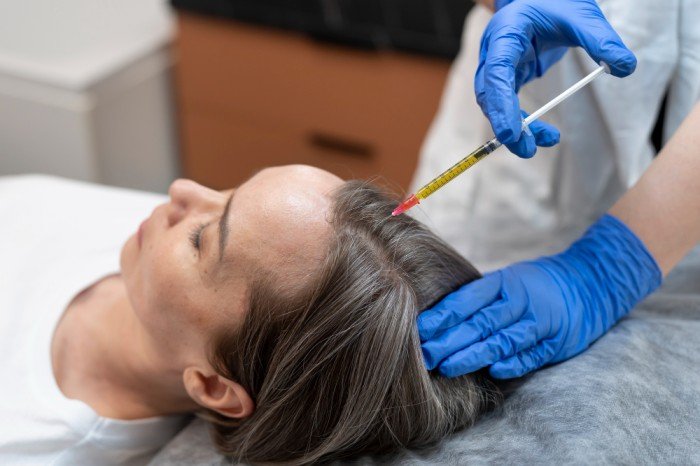
- Injecting the PRP into targeted areas of the scalp
Because PRP is derived from your own body, it is considered a safe and natural treatment with minimal risk.
How PRP Helps with Hair Growth
PRP works by improving blood supply and nutrient delivery to hair follicles while activating growth factors that stimulate follicle regeneration. It helps to:
- Strengthen weak hair follicles
- Prolong the hair growth phase (anagen phase)
- Reduce excessive hair shedding
- Improve overall hair thickness and density
- Support healing after hair transplant surgery
Unlike medications that mainly slow hair loss, PRP actively encourages new hair growth.
Who Is an Ideal Candidate for PRP Hair Treatment?
PRP works best for individuals experiencing early to moderate hair thinning. Ideal candidates typically include:
- Men with male-pattern baldness
- Women with diffuse thinning
- Individuals with stress-related hair fall
- Patients with hormonal hair thinning
- Post-hair transplant patients seeking better growth
However, PRP may be less effective for people with complete baldness or extensively scarred scalp areas, as inactive follicles cannot be revived
What Happens During a PRP Session?
A typical PRP hair treatment session lasts about 45 to 60 minutes. After blood is drawn and processed, the PRP is injected into thinning areas using very fine needles. Most patients describe the discomfort as mild to moderate and well-tolerated.
There is no major downtime, and patients can usually return to normal daily activities within a few hours. Mild redness or scalp sensitivity can occur but fades quickly.
How Many PRP Sessions Are Needed?
PRP is not a one-time treatment. A standard protocol usually includes:
- 3 to 4 initial sessions, spaced 4–6 weeks apart
- Maintenance sessions every 4–6 months
This schedule helps maintain consistent follicle stimulation and long-term results.
When Will You See Results from PRP?
Patience is essential with PRP hair therapy. Results appear gradually:
- First 1–2 months: Reduced hair shedding
- 3–4 months: Early signs of new hair growth
- 6 months: Visible improvement in thickness
- 9–12 months: Maximum results achieved
The new hair grows naturally and blends seamlessly with existing hair.
Benefits of PRP Treatment for Hair Growth
PRP stands out because it offers several unique advantages:
- Uses your body’s natural healing properties
- No surgery or stitches required
- Minimal downtime
- Safe with very low risk of allergic reaction
- Improves both hair growth and hair quality
- Can be combined with medications or hair transplants
For patients looking for a natural, non-invasive solution, PRP is an excellent option.
PRP vs Other Hair Loss Treatments
When compared to other hair restoration methods:
- Medications slow hair loss but require long-term use
- Hair transplants provide permanent hair but involve surgery
- Laser therapy improves circulation but works gradually
- PRP stimulates follicles naturally and enhances existing treatments
Many clinics combine PRP with medications or transplants for superior results
Are There Any Risks or Side Effects?
PRP is considered very safe because it uses the patient’s own blood. However, mild side effects can include:
- Temporary redness
- Slight swelling
- Minor discomfort
- Scalp tenderness
Serious complications are rare when performed by trained professionals under sterile conditions.
Who Should Avoid PRP Hair Treatment?
PRP may not be suitable for individuals with:
- Blood disorders
- Active scalp infections
- Severe autoimmune diseases
- Very advanced baldness with no active follicles
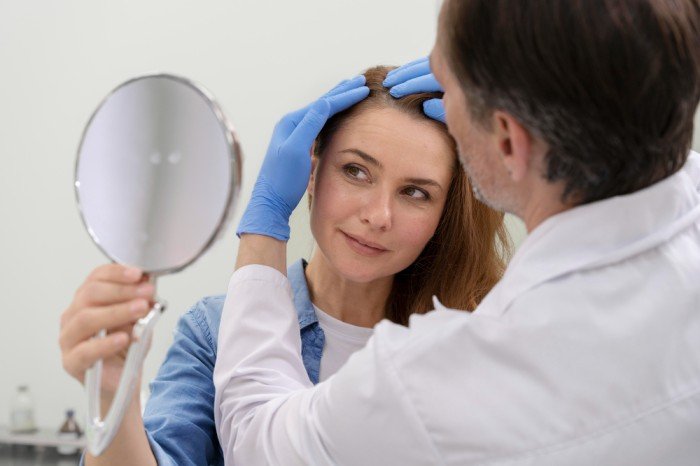
A detailed medical consultation is essential before starting treatment.
Final Thoughts
PRP treatment for hair growth has transformed the way hair thinning is managed. It offers a natural, non-surgical solution that strengthens existing hair, reduces shedding, and stimulates new growth using your body’s own regenerative power. While results are gradual, the improvement in hair quality, thickness, and confidence can be significant.
If you are noticing increased hair fall, thinning, or reduced volume, PRP could be the right step toward restoring healthier, fuller hair. With the right treatment schedule, realistic expectations, and expert care, PRP therapy can deliver impressive and lasting results.