You have now returned to being alive again from COVID-19. Fever gone, back to your usual self. After several weeks, you begin to see some of the side effects – hair balls in the pillow, drain clogs up, thinner hair ponytail than usual. It’s not all in your head.
One of the most common post COVID-19 symptoms and at the same time very less discussed is the loss of hair. Many doctors across the world are witnessing this in their patients across age groups, both in males and females – it doesn’t matter how mild or severe was the COVID-19.
What Is Actually Happening to Your Hair?
Having said that, there’s actually nothing ‘normal’ or typical about the type of hair loss most COVID survivors experience, when comparing it to traditional male-pattern baldness. It’s known as telogen effluvium, and basically, your hair follicles have been simultaneously switched into resting mode instead of resting in cycles of few at a time. Your body took a severe physiological hit: high fever, long days of feeling wiped out, possibly hospitalization, major stress and trauma.
When your body goes through that, survival becomes the number-one priority. So non-essential bodily processes, such as the creation of hair, are delayed and the result of this is seen a couple of months later when those telogen hairs start to fall out all at once.
Why COVID Triggers This More Than Other Illnesses?
The difference between COVID and a run of the mill seasonal virus comes down to the strain placed upon the body, physically and psychologically. The number of patients suffering hair shedding in weeks following COVID-19 – with some studies citing as high as 20%-30% of all cases – can cause hair to come out in clumps, according to several dermatology journals. This form of hair loss is referred to as telogen effluvium, and can occur months after COVID, due to post-infection fatigue and inflammation which impacts your body’s natural cycle. But high fevers can initiate this effect alone, and adding the mental burden of the disease – confinement, fear, lack of sleep, and poor nutrition during a critical time – along with, potentially, the impact of certain drugs- the result on a hair follicle can be catastrophic.
How Long Does Post-COVID Hair Loss Last?
Which most people really want to know, and the truth is: it’s conditional. For many, however, the answer is a firm yes. For more than 50% of telogen effluvium sufferers following an illness or stress, their hair will return on its own.
In typical telogen effluvium, hair loss reaches its maximum approximately 3–4 months after an illness or stressful event and then it will subside.
Most patients will notice their hair regrowth within 6–9 months after the stressor. The rate and extent of recovery are directly related to the severity and duration of the trigger. If hair loss is very significant and has persisted for more than 9 months or if patients had hair thinning prior to COVID, then they would certainly warrant medical evaluation and management to ensure proper hair recovery. Importantly, if patients have not tried anything to treat the cause of hair loss then one should not simply sit back and do nothing before the “wait and see” game has been sufficiently played out.
What You Can Do to Help Your Hair Recover?
Get Your Nutrition in Check. Iron deficiency is an incredibly common aftermath of long-term illness and one of the leading reasons the hair doesn’t bounce back as quickly as you’d like. Ensure you’re getting ample protein, iron-rich foods, zinc, and B vitamins – all crucial to hair regeneration. Consult with your physician for supplemental advice should your diet be lacking.
Avoid additional stress on the hair. Severe, pulling hairstyles, extensive heat Styling, or chemical Treatments Can Contribute To Post-Illness Hair Loss. Opt for gentleness instead. Support The scalp. Just as good health starts at the scalp, so does strong hair.
Light, routine massages of The Scalp can increase blood Circulation To the Hair Follicles, aiding the regeneration Process. Try Platelet-Rich plasma (PRP) Treatment. This Non-Surgical Procedure to help Restore hair growth is among The most viable, successful ways To stimulate dormant follicles through The use of your Own body’s own blood Growth factors to reignite the recovery.
When Should You See a Specialist?
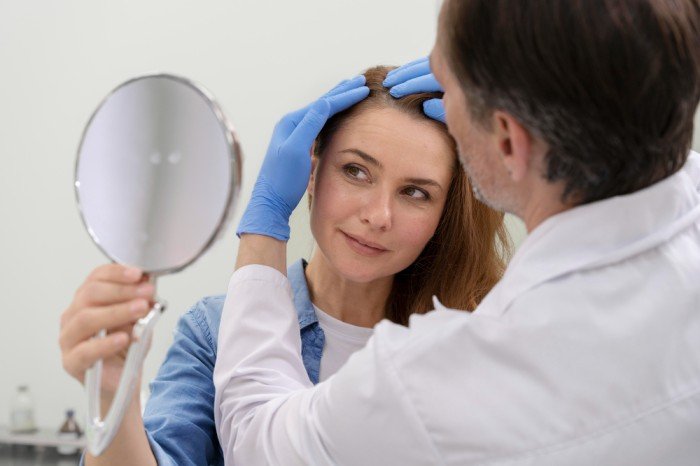
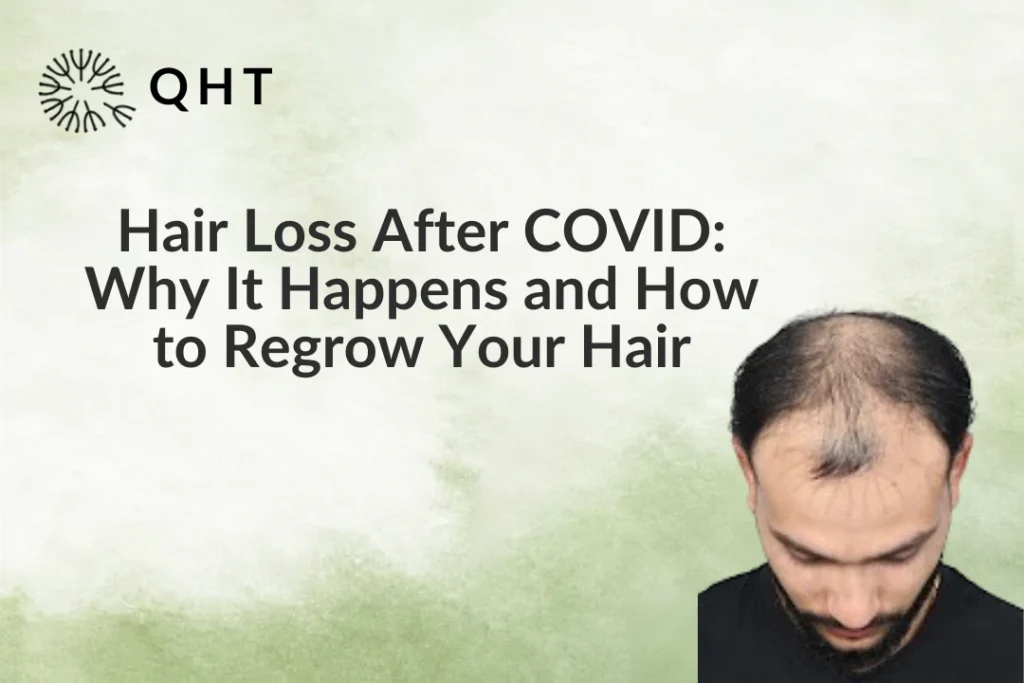
If hair loss has continued for over 6 months without any indication of stopping, your hair loss includes a few patches of bald spots and receding hairline is easily visible it’s time to get it examined. A qualified professional will be able to figure out if you are simply experiencing COVID hair shedding or suffering from a hair loss condition like androgenetic alopecia which may require a different treatment strategy. At QHT in Gurgaon, an experienced team at hair transplant clinics Gurgaon will evaluate your scalp, run needed diagnostic checks and can provide you with expert advice regarding the right treatment plan – whether it’s medication, PRP or a long-term solution of hair transplantation.
Can a Hair Transplant Help After COVID Hair Loss?
If, post Covid, you’ve had permanent hair loss, with bald patches, or a condition like hair loss already setting in due to genetics, a hair transplant can certainly be part of the treatment. This is where we take strong hair follicles from the back of the head and replant them in the affected areas to restore your hair with natural-looking, permanent, invisible results. The recommended wait time post Covid hair loss is for the condition to become dormant, usually 9-12 months after the recovery period.
Final Thoughts
Post-COVID Hair Loss is Real, Not Rare and Curable The hair that fell from your scalp post- COVID infection is not gone forever. For a significant chunk of the patients of COVID, with the right diet plan, some patience and professional support, regrowth of hair is completely possible. And if you are one of the worried few for how severe the post-COVID hairfall condition, then do not waste your time and just book a consultation for hair transplant clinic in Gurgaon. Visit QHT – one of the best hair clinics in Gurgaon, to receive an assessment for the treatment of your post-COVID hair condition.