Hair loss affects both men and women and can happen for different reasons. Genetics, hormonal changes, nutritional deficiencies, certain medical conditions and lifestyle factors may all contribute to hair thinning. While a hair transplant is one option for addressing certain types of hair loss, many people prefer to explore non-surgical treatments first.
Non-surgical hair treatments may help manage hair loss and improve hair health, depending on its cause. However, the right approach varies from person to person, so understanding the reason for hair loss is an important first step.
What Is Non-Surgical Hair Regrowth Treatment?
Non-surgical hair regrowth treatment refers to methods used to manage hair loss without a surgical procedure. These treatments may help slow down hair thinning, support existing hair and improve scalp health in suitable cases.
Unlike hair transplant surgery, these options do not involve removing hair follicles from one area of the scalp and placing them in another. They may be considered by people experiencing early hair thinning, pattern hair loss or increased hair shedding, depending on the underlying cause.
A medical assessment can help determine whether non-surgical treatment is suitable.
Types of Non-Surgical Hair Treatments
Different treatments are available for managing hair loss. Their suitability and effectiveness depend on the individual’s condition.
1. PRP Therapy
Platelet-rich plasma (PRP) therapy uses a small sample of the patient’s blood. The sample is processed to separate platelet-rich plasma, which is then injected into selected areas of the scalp.
PRP is used in some cases of hair thinning. Its results can vary, and it may not be suitable for every type of hair loss.
2. Low-Level Laser Therapy
Low-level laser therapy uses specific wavelengths of light on the scalp. It is a non-invasive option that may help support hair growth in some people with certain types of hair loss.
The response varies between individuals, and treatment usually requires repeated sessions.
3. Mesotherapy
Mesotherapy involves injecting selected substances into the scalp. The ingredients and treatment methods may differ between providers. However, scientific evidence supporting its effectiveness for hair loss is limited, so its suitability should be discussed with a qualified medical professional.
4. Medications
Certain medicines may help manage hair loss, depending on its cause. Some are used to slow down hair thinning, while others may support hair growth in suitable patients.
Medication should only be used after medical advice. A doctor can explain the possible benefits, side effects and precautions.
Possible Benefits of Non-Surgical Hair Treatments
Depending on the treatment and the cause of hair loss, non-surgical options may offer the following benefits:
- Do not require hair transplant surgery
- Usually do not involve surgical cuts or stitches
- May help manage certain types of hair thinning
- May support existing hair growth in suitable cases
- Generally involve less downtime than surgery
These treatments do not guarantee hair regrowth or the same results for everyone. Follow-up visits may also be needed to assess progress.
When Should You Consider a Hair Transplant?
Non-surgical treatments may be considered in the early stages of some types of hair loss. However, they may not restore hair in areas where follicles are no longer capable of producing hair.
For people with established bald areas or significant hair loss, hair transplant in Gurgaon may be considered after a medical assessment. The decision depends on factors such as the cause of hair loss, the availability of donor hair, scalp condition and the individual’s overall suitability for surgery.
A hair transplant also does not prevent future hair loss in untreated areas. Your doctor can explain the expected outcomes, limitations and available alternatives before you make a decision.
Why Is a Medical Assessment Important?
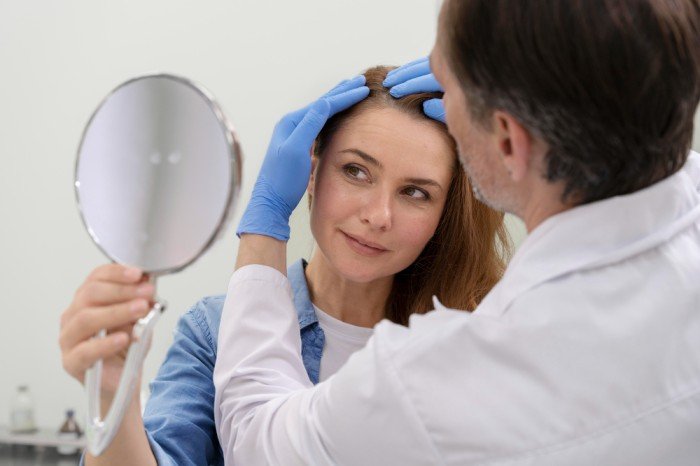
Hair loss can have several causes, and not every type requires the same treatment. A medical assessment helps identify the possible reason for hair thinning and determine which options may be appropriate.
It is also important to discuss your medical history, current medicines, treatment expectations and any possible side effects before starting a procedure or medication.
Conclusion
Non-surgical hair treatments offer different options for people experiencing hair thinning or increased hair fall. PRP, low-level laser therapy, mesotherapy and medication may be considered in selected cases, but their suitability and effectiveness vary. Understanding the cause of hair loss and discussing the available options with a qualified medical professional can help people make informed decisions about their hair care.