Whether you decided to shave your head before it fell out on its own, or watched your hair leave your head in clumps on your pillow, shower, and in your closet – the experience is unique. The truth is, this isn’t about vanity. Losing your hair to chemo is a reminder your body is doing a ton of hard work. If you or someone you know is struggling with the emotional journey of losing your hair in treatment, we break down why chemo makes you lose hair and how to care for your hair loss to get it back to health!
Why Does Chemotherapy Cause Hair Loss?
Chemo drugs kill fast dividing cells and what is a faster growing cell than a cancer cell. The issue with this drug is the cell growth in our follicles happens extremely fast as well, and when the drug runs through your body it just hits anything fast growing including your follicles. The loss of hair may result as a whole, all over your body – including eyebrows, eyelashes and nasal hair as well.
In most instances the follicles do not permanently die but will essentially be “put to sleep” until your treatment is complete.
All patients receiving chemotherapy are not guaranteed to lose all of their hair. That would depend on the drug given, the dosage and whether they receive IV chemo.
When Does Hair Loss Start and What Is the Timeline?
The first question everyone asks… it’s certainly a reasonable one, so let’s provide some estimates: Weeks 1–3 – you start losing hair about two to four weeks after your first round of chemotherapy. You can have an itchy scalp a week or two before losing hair. Week 4-8 – your shedding accelerates this part of chemo is the toughest emotionally for many people. After the last – fortunately, chemo treatment does not usually permanently damage the hair follicles, so hair can begin to grow back after your last session.
During treatment – you’ll continue to lose hair, perhaps even all of it, depending on your chemotherapy drugs.
Weeks 1-2 Post-treatment – fine, soft hairs emerge. You might be surprised to see a texture and even a curl pattern to your new hair. Month 6-12 – your hair comes back thicker. Most people are close to their original fullness within a year.
5 Practical Tips to Support Hair Regrowth After Chemotherapy
1. Start with a sensitive approach to your scalp – Once your new growth starts, keep harsh shampoos, heavy products, tight ponytails, or hot tools away. Your little new strands are precious.
2.Fuel those follicles with food – Essential nutrients for hair include iron, zinc, biotin, and protein. Aim for things like eggs, lentils, leafy greens, and nuts in your diet, but ask for a nutritionist’s guidance if you still have trouble eating after your treatment.
3. Explore PRP therapy – Platelet-Rich Plasma (PRP) therapy is a treatment that uses growth factors extracted from your own blood to encourage new cell development.
3.The treatment is non-surgical and safe-it is gaining traction in the cancer community to assist the process of returning your hair after chemotherapy
4. Massage your scalp – Gentle massages to your scalp will boost blood circulation to your follicles and assist the regrowth of your new strands.
5. Patience – You have overcome so much and that is something to celebrate. Don’t hurry the regrowth of your hair, don’t bleach or have any treatments done until your hair is much more substantial and you feel comfortable.
When Hair Doesn’t Come Back — What Are Your Options?
The good news is that most of you will experience regrowth. For some, however, particularly following higher dose therapies and irradiation, the hair follicle may become dormant permanently. If you are noticing permanent hair thinning or bare areas on your scalp even many months post-treatment, you will want to seek evaluation by a hair specialist.
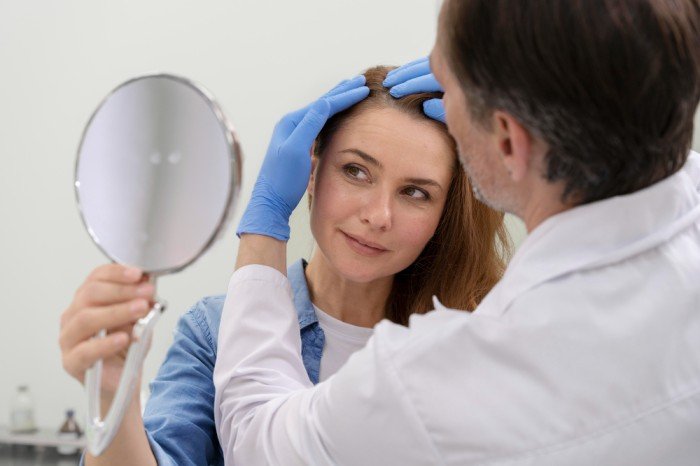
A thorough scalp analysis will determine if your follicles are dormant and need some additional intervention.
We are the best hair transplant clinic in Gurgaon, and here at QHT Gurgaon we assist patients dealing with this very specific issue because your story matters, and so should the plan to make your hair look natural and healthy again.
Final Thoughts
A very common and often the most apparent sign that the chemotherapy has taken its toll on the body, loss of hair is surely something nobody wants to go through. But the fact remains, in most cases, it is temporary. Proper nutrition and scalp treatments, and if necessary, a good team can help get your hair back!
And, if after a few months your hair is still nowhere in sight, don’t fret.
Consult QHT Gurgaon for an assessment with specialists who are aware of your struggles