You’ve likely heard of microneedling if you’ve ever scrolled through a Hair topic page on the internet. Some will claim it’s great. Some don’t even know what it actually is. However, if we’re being brutally honest, microneedling for hair loss is more than just a trend in the wellness industry that has a shorter lifespan.
It’s a scientifically tested procedure by dermatologists that is slowly proving itself as one of the more promising alternatives that don’t involve surgery to fight a thinning scalp and receding hairline. Thus, before you spend more cash on creams and serums promising the earth and doing nothing at all, here is a breakdown of what microneedling is and whether it’s the solution you are searching for.
What Is Microneedling, Exactly?
How is microneedling performed? The hair is then typically combed/ shaved before the skin is rolled or stamped with a microneedling device that has an array of micro, but very short, needles. This process creates minuscule perforations in the outermost layer of the skin. Now, if that sounds scary, I understand because the needles are so small that most people compare the feeling to a light prick or a tingly pressure – many dermatologists even recommend numbing cream to eliminate any discomfort!
How does it work When microneedling ‘damages’ the skin, the body signals an increase in production of collagen, blood circulation to the area and growth factors.
The Real Benefits of Microneedling for Hair Loss
Now where it gets interesting. The scientific studies on microneedling for hair loss has demonstrated visible results, most effectively for androgenetic alopecia – a technical name that can be applied to the hair loss suffered by many men and women – male and female pattern baldness, the number one type of hair loss suffered in the world. Reduces need for treatments.
A key benefit of using microneedling for hair loss, especially in relation to a cream like minoxidil, it drastically improves the delivery to your scalp.
The minoxidil you use after the session will penetrate deeper into the scalp tissue where it is far more effective than when applied by itself. It kick-starts hair stem cells. The micro injuries to your skin awaken stem cells in the scalp tissue that is situated around your hair follicles. The cells are known to regenerate the hair, and microneedling appears to stimulate them more so than a lot of the creams or hair oils on the market. It boost overall health of the scalp.
As you can imagine, increased circulation means that hair follicles will get more oxygen and nutrients which helps the scalp grow and thrive naturally, meaning a more resilient and thicker growth. The effects most people experience from consistent treatments include an initial period of decreased hair shedding in around the third to sixth month and then signs of new growth will appear around that point too, so stick with it and you’ll likely see progress.
Are There Any Risks You Should Know About?
Microneedling is generally considered safe when properly done, but that does not mean it’s safe. Being in the know. Microneedling side effects are usually mild, and a little redness of scalp after microneedling, light sensitivity, or swelling on the scalp is usually seen after a procedure that clears up after a day or two.
Scalp sensitivity: you will be feeling a bit tenderness on the scalp for some time after the microneedling session which usually comes with scalp normal hair growth cycle stimulation.
Overdoing your microneedling session on the scalp can lead to skin irritation, inflammation, scalp infections and can make the condition of thinning hair worse. This means a microneedling procedure done in the medical clinic differs from using the derma roller kit you purchased from the online store. If you have current scalp disease or wounds including eczema, psoriasis, seborrheic dermatitis and so on should stop their medication under medical advice before considering microneedling.
What Results Should You Realistically Expect?
Just as essential as the procedure itself, are honest expectations. It is crucial to remember that microneedling for hair loss is not a cure; it’s an accessory – and like any accessory, it does its job more effectively with someone who knows how to use it, and at the right time. This means that if you’re in the very early to mid stages of hair loss and your follicles are simply not producing a full head of hair – but are very much alive – then this therapy holds a great deal of promise.
However, if the follicles have gone to rest for too long, they won’t be coaxed back to life via microneedling; a hair restoration procedure would likely be a far more reliable option in such cases.
Expect 4 to 6 sessions at intervals of 2 to 4 weeks prior to a realistic evaluation of the outcome. Maintenance may be required for some individuals after an initial course.
So, Is Microneedling the Right Choice for You?
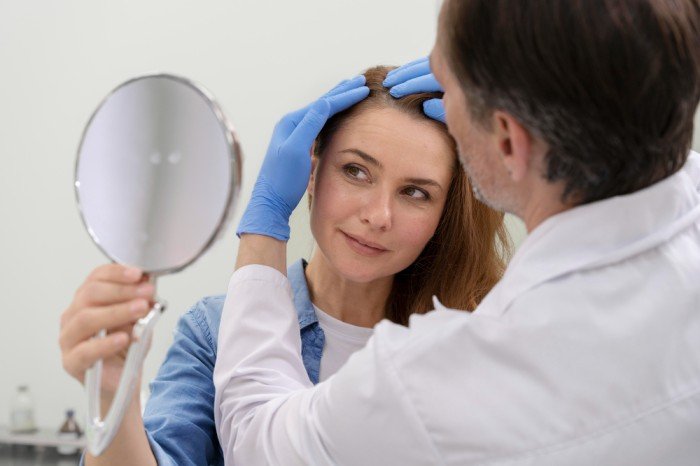
Whether or not PRP therapy with micro needling is a good fit for your hair loss depends on factors such as: – Where you are currently in your hair loss process – Condition of your scalp – Your desired results from hair restoration – Medical history A professional clinical examination from a hair restoration specialist is the most accurate method of determining which type of therapy, if any, is suitable for your situation. – at QHT Clinic, a reputable hair transplant clinic in Gurgaon, we believe that all patients deserve to receive an accurate and comprehensive diagnosis from our skilled specialists who perform hair evaluations before they ever discuss any type of hair loss treatment. PRP, microneedling, or hair transplant: The path to stronger hair begins with an accurate hair loss diagnosis at QHT clinic. Contact us to book a complimentary hair consultation today.