A hair transplant involves moving hair follicles from one part of the scalp to areas affected by hair loss. These follicles are called grafts. After the procedure, each graft needs time to settle into the scalp and receive support from the surrounding tissue.
Many people wonder what affects hair graft survival after transplant and whether every transplanted graft will grow. Graft survival can depend on several factors, including the quality of the donor hair, how the grafts are handled, the surgical technique, scalp health and aftercare.
Understanding these factors can help patients have realistic expectations and make informed decisions before undergoing a hair transplant.
What Is Hair Graft Survival?
Hair graft survival refers to the ability of transplanted hair follicles to remain healthy after being moved to another area of the scalp. A graft may contain one or more hair follicles.
After implantation, the graft needs to establish a connection with the surrounding tissue and receive an adequate blood supply. This process supports the follicle as it adjusts to its new location.
Not every transplanted graft is guaranteed to grow. The final outcome can vary from person to person depending on medical and surgical factors.
Factors That Influence Hair Graft Survival After Transplant
1. Quality of the Donor Hair
The donor area is usually located at the back and sides of the scalp. Hair follicles from this area are commonly selected because they may be less affected by androgen-related hair loss.
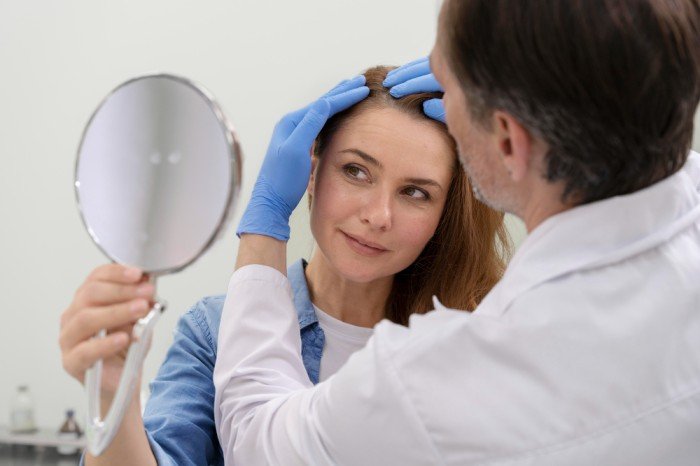
However, donor hair quality can vary. Factors such as hair thickness, follicle health, density and miniaturisation can influence graft selection. A doctor should examine the donor area before deciding how many grafts can be safely removed.
2. How Grafts Are Handled During Surgery
Hair follicles are delicate structures. They can be affected by excessive handling, pressure or physical damage during extraction and implantation.
Careful handling is important throughout the procedure. The surgical team must take steps to protect the follicles and avoid unnecessary trauma while moving them from the donor area to the recipient area.
3. Time Grafts Spend Outside the Body
After extraction, grafts remain outside the body until they are implanted. During this period, they need suitable storage conditions.
Long exposure outside the body or unsuitable storage may affect follicle health. The surgical team should follow appropriate protocols to protect the grafts until implantation.
4. Blood Supply in the Recipient Area
After implantation, grafts depend on the surrounding scalp tissue for oxygen and nutrients. The condition of the recipient area can therefore influence their survival.
Factors such as scalp scarring, previous surgery and tissue health may affect the local blood supply. The doctor should assess the recipient area before planning the procedure.
5. Surgical Technique and Implantation
The method used for extraction and implantation can influence how grafts are handled and placed.
During implantation, the angle, direction and depth of each graft need attention. Excessive pressure or improper placement may damage the follicles or surrounding tissue.
The surgical plan should consider the patient’s scalp condition, hair characteristics and pattern of hair loss.
6. Scalp Health and Existing Medical Conditions
Scalp health is another important factor. Conditions that cause inflammation, infection or scarring may affect the healing process.
A doctor may review the patient’s medical history, scalp condition and medicines before surgery. Any active scalp problem should be assessed and managed before proceeding with a transplant.
7. Post-Transplant Care
Aftercare helps protect the newly implanted grafts during the early healing period. Patients should follow the instructions provided by their treating doctor.
Some important points include:
-
Avoid rubbing, scratching or picking the transplanted area.
-
Follow the recommended washing instructions.
-
Avoid activities that may cause unnecessary pressure or injury to the scalp.
-
Take prescribed medicines as directed.
-
Attend follow-up appointments as advised.
-
Contact the treating doctor if unusual pain, swelling, discharge or signs of infection develop.
Does Every Transplanted Hair Graft Survive?
No. It is not possible to guarantee that every transplanted graft will survive and produce visible hair growth. The outcome depends on several factors, including follicle quality, surgical handling, scalp condition and healing.
Some transplanted hairs may shed during the initial weeks after surgery. This is commonly part of the hair growth cycle and does not necessarily mean that the follicle has been lost. New growth may take several months to become noticeable, and the timeline varies between individuals.
How Long Does It Take to See Hair Growth After a Transplant?
Hair growth after a transplant happens gradually. The early recovery period mainly involves healing of the scalp.
A general timeline may look like this:
| Time after transplant | What may happen |
|---|---|
| First 1–2 weeks | Small scabs form and gradually heal |
| First few weeks | Some transplanted hair shafts may shed |
| Around 3–4 months | Early new hair growth may become visible |
| 6–9 months | Hair growth and coverage may become more noticeable |
| 12 months or longer | Further changes in hair growth and appearance may occur |
This is a general guide, not a fixed timeline. Individual results can differ.
Can Poor Aftercare Affect Hair Graft Survival?
Yes. Poor aftercare may increase the risk of disturbing newly implanted grafts, especially during the early healing period. Scratching, rubbing, accidental injury and not following washing instructions can interfere with recovery.
However, patients should not assume that every change in the transplanted area means graft failure. Shedding, redness and mild swelling may occur during recovery. A doctor should assess symptoms that are severe, persistent or worsening.
How Can You Support Healthy Recovery After a Hair Transplant?
Patients can support the recovery process by following their doctor’s instructions and taking care of the scalp during healing.
-
Keep the scalp clean according to the advised washing routine.
-
Avoid touching or disturbing the grafts unnecessarily.
-
Do not apply oils, creams or other products unless approved by the doctor.
-
Follow instructions about exercise, sun exposure and daily activities.
-
Attend scheduled check-ups to monitor healing and hair growth.
There is no aftercare routine that can guarantee the survival of every graft. Recovery should be monitored based on the individual’s condition.
Conclusion
Hair graft survival after transplant depends on more than the number of grafts implanted. Donor hair quality, careful handling, storage conditions, recipient scalp health, surgical technique and post-operative care all matter.
Before deciding on a hair transplant clinic in Gurgaon, patients should have their donor and recipient areas examined by a qualified medical professional. A clear discussion about suitability, limitations, recovery and expected growth can help set realistic expectations.