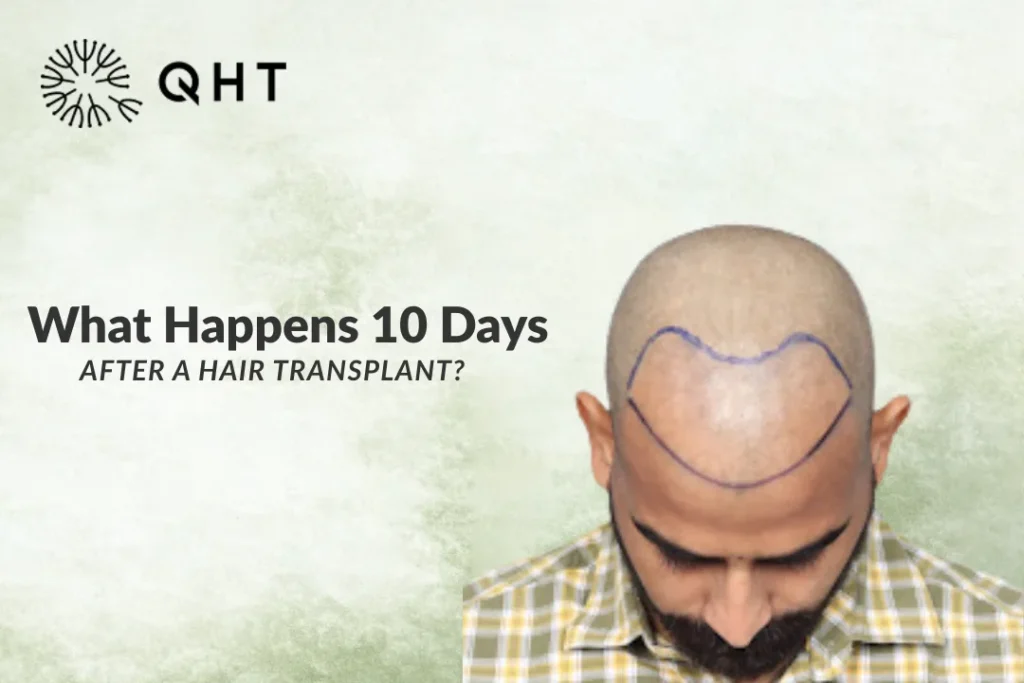
Hair transplant surgery is a popular solution for people who want to restore lost hair and regain confidence. If you recently had a procedure, you may wonder what to expect 10 days after a hair transplant. Understanding the healing process can help you stay calm and follow the right recovery steps.
In this guide, we will explain what happens during this stage, what is normal, what precautions you should take, and how proper hair transplant aftercare can help you achieve the best results.
Understanding the First 10 Days After a Hair Transplant
The first 10 days are one of the most important parts of recovery. During this period, your scalp heals, the transplanted grafts settle into their new positions, and any swelling or redness gradually improves.
Most patients notice significant healing by day 10. However, every person’s recovery journey is different.
Why Are the First 10 Days Important?
The transplanted hair follicles are delicate during the first few days after surgery. Proper post hair transplant care helps protect these grafts and improves the chances of successful hair growth.
By day 10, the grafts are usually secure, and the risk of accidentally dislodging them becomes much lower.
What Does the Scalp Look Like 10 Days After a Hair Transplant?
Most patients experience noticeable improvement in the appearance of their scalp by day 10.
Common signs include:
- Reduced redness
- Less swelling
- Healing of tiny scabs
- Mild itching
- A cleaner and healthier-looking scalp
The transplanted area may still look slightly pink, especially in people with fair or sensitive skin. This is usually normal and fades over time.
Are Scabs Still Present After 10 Days?
In many cases, the scabs have already fallen off by day 10. Some patients may still have a few remaining scabs, especially if they have a slower healing process.
Avoid picking or scratching them. Let them fall off naturally during washing.
When Should Scabs Be Gone?
Most clinics recommend gentle washing techniques that help remove scabs between days 7 and 10. If a few remain after day 10, it is usually not a cause for concern.
Is It Normal to Experience Itching?
Yes. Mild itching is one of the most common experiences 10 days after a hair transplant.
Itching occurs because the scalp is healing.
To reduce itching:
- Follow your surgeon’s instructions
- Use prescribed products
- Avoid scratching
- Keep the scalp clean
Scratching can damage healing skin and should always be avoided.
Can You Wash Your Hair Normally After 10 Days?
Most patients can return to a more normal washing routine around day 10.
However, you should still:
- Use mild shampoos
- Avoid harsh rubbing
- Pat the scalp gently
- Follow your doctor’s recommendations
Proper hair transplant aftercare plays a major role in maintaining healthy grafts and supporting recovery.
What About Swelling and Redness?
Swelling usually disappears within the first week.
By day 10:
- Forehead swelling is typically gone
- Redness is greatly reduced
- The scalp looks much healthier
Some people may experience mild redness for several weeks, which is generally normal.
Can You Exercise 10 Days After a Hair Transplant?
Many patients can gradually return to light exercise after 10 days.
Activities may include:
- Walking
- Light stretching
- Gentle workouts
Avoid:
- Heavy weightlifting
- Intense cardio
- Contact sports
- Activities that cause excessive sweating
Always follow your surgeon’s advice before restarting exercise.
What Is Shock Loss and Does It Start After 10 Days?
One thing that surprises many patients is a process called shock loss.
What Is Shock Loss?
Shock loss refers to the temporary shedding of transplanted hairs after surgery.
It usually begins between:
- Week 2
- Week 8
This means you may start noticing hair shedding shortly after the 10-day mark.
Should You Worry?
No.
Shock loss is a normal part of the recovery process. The hair follicles remain under the skin and will begin producing new hair in the coming months.
What Activities Should You Avoid?
Even though healing is progressing well, continue being careful.
Avoid:
Direct Sun Exposure
Strong sunlight can irritate the healing scalp.
Swimming Pools
Chlorine and chemicals may affect the healing process.
Smoking and Alcohol
These can reduce blood circulation and slow recovery.
Tight Hats
Avoid anything that puts pressure on the transplanted area.
Good post hair transplant care means protecting the scalp while it continues to heal.
Signs That Recovery Is Going Well
You may be healing normally if you notice:
- Scabs falling off naturally
- Reduced redness
- No severe pain
- Minimal swelling
- Healthy-looking scalp
- No signs of infection
These are positive indicators that your recovery is progressing as expected.
Warning Signs You Should Not Ignore
Contact your doctor if you experience:
- Severe pain
- Excessive bleeding
- Pus or discharge
- Fever
- Increasing redness
- Unusual swelling
Early medical advice can help prevent complications.
Hair Growth Timeline After Day 10
Many people expect immediate hair growth, but patience is important.
First Month
Transplanted hairs may shed.
Months 2–3
Hair follicles enter a resting phase.
Months 3–4
New hair growth usually begins.
Months 6–9
Noticeable improvement becomes visible.
Months 12–18
Final results continue to develop and mature.
Tips for Faster Recovery
Follow these recovery tips:
Stay Hydrated
Drink plenty of water daily.
Eat a Healthy Diet
Focus on:
- Protein
- Fruits
- Vegetables
- Healthy fats
Follow Medication Instructions
Take medications exactly as prescribed.
Attend Follow-Up Visits
Regular check-ups help monitor progress.
Protect Your Scalp
Avoid anything that could irritate the transplanted area.
These simple habits support successful hair transplant aftercare and long-term results.
Choosing the Right Hair Transplant Clinic Matters
Recovery success depends not only on aftercare but also on the expertise of your surgeon and clinic. Choosing the best hair transplant in Gurgaon can make a significant difference in graft survival, natural-looking results, and overall patient satisfaction.
Experienced specialists provide detailed recovery guidance and personalized support throughout the healing journey.
Frequently Asked Questions
Q. Is it safe to touch my scalp 10 days after a hair transplant?
Yes, but be gentle. The grafts are generally secure by this stage, though rough handling should still be avoided.
Q. Can I wear a cap after 10 days?
Many patients can wear a loose-fitting cap after day 10. Always follow your surgeon’s recommendations.
Q. Why is my transplanted hair falling out?
This is likely shock loss, which is a normal part of the healing process.
Q. Can I return to work after 10 days?
Most people can comfortably return to office work before or around day 10, depending on their recovery.
Q. When will I see new hair growth?
Most patients begin seeing new growth between 3 and 4 months after the procedure.
Conclusion
Understanding what happens 10 days after a hair transplant can help reduce anxiety and set realistic expectations. By this stage, most scabs have fallen off, redness has improved, and the grafts have become more secure. However, recovery is still ongoing, and proper hair transplant aftercare remains essential.
Following your surgeon’s instructions, maintaining good hygiene, and practicing careful post hair transplant care will support healthy healing and help you achieve the best possible results. Remember that hair restoration is a gradual process, and patience is key to enjoying a fuller, natural-looking head of hair.