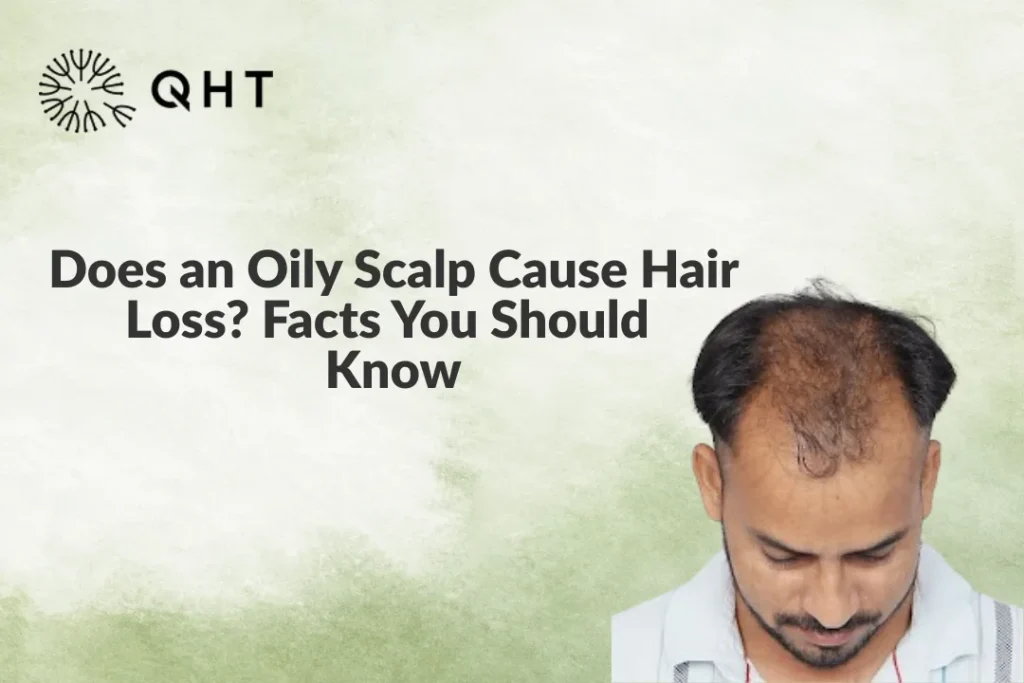
So you wash your hair and then the next day – BAM – it’s already greasy again? We’ve all probably wondered if that slick scalp actually leads to more of your beloved strands clumping together and stuck in your hairbrush or on the pillowcase. The answer is… well, a bit more complicated than yes or no. What’s up with the excess grease, and what are you going to do with the Oily scalp hair loss?
What Causes an Oily Scalp in the First Place?
The glands called sebaceous in your skin secrete an oil you make naturally: sebum. That natural oil isn’t terrible actually. Sebum lubricates the scalp and will prevent the hair strand from drying into a crispy texture. Issues only arise when you overproduce.
There are many things that can cause overproduction, including hormonal changes (like those related to puberty and polycystic ovary syndrome (PCOS)), your genetics, high humidity, greasy hair products, excessive touching of hair and consumption of fried or processed food. Most of the population with naturally oily skin is going to experience an oily scalp, which isn’t typically something to worry about.
Does Oily Scalp Hair Loss Actually Happen?
Where most people get confused: “Oil doesn’t really kill hair follicles or cause permanently lost hair directly. But there are many indirect ways an oily scalp can be linked to hair loss,” explains Kogan. “If you accumulate too much oil, combine it with pollution, dirt, and dead skin cells – the mixture begins to clog your follicles, making it difficult for hair to grow.”
She explains it can throw off your scalp’s pH balance and thin the hair at the roots.
A greasy scalp is also more susceptible to dandruff, fungal infections and seborrheic dermatitis, causing itchiness, inflammation and scratching which can damage your follicles, and therefore contribute to hair loss.”
Signs Your Oily Scalp Might Be Affecting Your Hair
Oily scalp does not necessarily culminate in a hair loss problem; however, do take extra precaution if your hair feel limp in just a few hours of washing, you suffer from itching and flaking and you realize your scalp is sticky and there’s visible hair fall just above the partition and/or if small red bumps surface the scalp. In such a case, go ahead for a proper scalp evaluation, don’t try DIY treatments.
How to Manage an Oily Scalp and Protect Your Hair
Luckily, we can manage an oily scalp pretty well, with a proper routine. It’s a case of cleansing your hair every other day with a gentle, sulfate-free shampoo – because over and under-washing can prove counterproductive since depriving the scalp entirely of oil can induce over-production as a defence measure! Shun all heavy styling products which rest on the scalp and leave it feeling gunky; opt for water-based rather than oil-based.
And it’s a good idea to cut back on sugary and processed foods, or those known to trigger hormonal responses for an oily scalp.
Also, please try not to over-comb it or play with your hair, as your fingertips will probably grease it all around the head. Use a shampoo for clarified hair twice per week. It goes deep to remove build-up that a typical wash just can’t quite get rid of. If it still isn’t yielding improvements in a few weeks, it’s best to see a professional instead of continuing a trial and error regime with your hair.
When Should You See a Specialist?
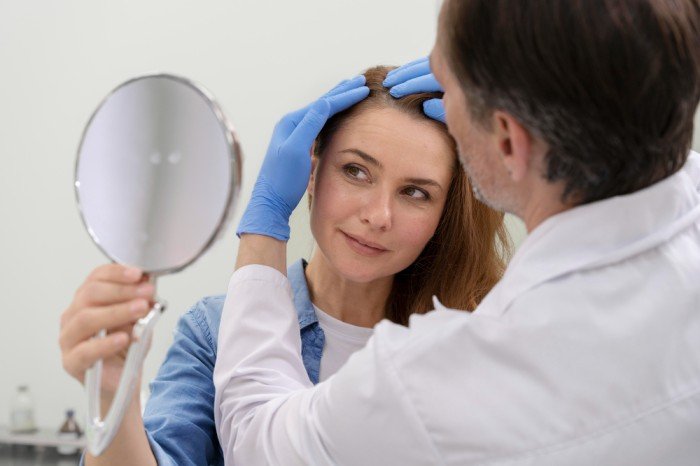
So you’re witnessing thinning spots, receding hairline, and hair loss that is beyond what can be explained by just having an oily scalp even with meticulous cleaning habits? Blame genetics, hormonal imbalance, early pattern baldness, or an unknown medical condition – something that requires a qualified eye and not your own research! The very reason why it’s advisable to check in with an experienced hair transplant clinic in Gurgaon. A professional examination can help detect the exact cause of your hair loss and recommend whether it just requires simple life changes, or it’s time for something serious to bring back your luscious locks.
Final Thoughts
An oily scalp on its own is not your hair’s enemy. Naturally, this oily stuff is your skin’s way of working. Where things take a turn for the worse is when all of this oil isn’t kept in check and then becomes the culprits behind a follicular impaction, a skin condition on the scalp, or irritant dermatitis. Always keep your hair and scalp fresh; invest in safe products; monitor your hair and scalp. It’s so much easier and cost-effective to be under the care of hair and scalp specialist than hoping for the best.