And that’s good, because biotin pills, like you pick them up along with vitamin C and a multivitamin at your neighborhood drug store and you might just read up on social feeds and see that thousands of people tout these for the sake of better hair, to support healthier hair.
However, does this common nutrient reduce hair fall or is it another trend that will hype things up and let you down later? Suppose you are facing excessive hair fall and a biotin supplement has been advised, then you are certainly questioning the hype around it. Well, Let’s dive right in.
What Exactly Is Biotin?
Biotin – another name for it is Vitamin B7 – is a water-soluble vitamin that is necessary for processing our food and getting it into the right energy forms in our bodies. But it’s also important in the production of keratin, the protein that literally comprises your hair, skin, and fingernails. Which you now know is exactly why they associate the vitamin B7 supplement with better hair!
Biotin isn’t easily stored by your body for extended amounts of time, so you generally want a pretty constant flow from food and supplement. You’re probably already getting sufficient levels through a standard diet.
Is Biotin Really Helpful for Hair Loss Hair Loss?
Biotin for hair loss is only helpful if your deficiency is causing the hair loss. For people who are not deficient and don’t need additional biotin in their diets, adding biotin for hair growth and loss and hair health generally will not do much of anything for their thinning or shedding. In fact, there may be so little impact at all. Most of the time hair loss or hair thinning isn’t due to biotin levels at all but the causes are genetics, fluctuating hormone levels in the body, overall health and stress. Biotin for hair loss is also very successful as treatment for patients with a history of the loss of hair because a person’s vitamin B7 levels are low due to other sources. It is uncommon to suffer from biotin deficiency in humans but there are cases of those who suffer from this deficiency which will have an impact upon both fingernail and hair health. A deficiency can be caused as a result of taking certain drugs, and of certain medical conditions.
When Biotin Supplements Make Sense
Should You Supplement If your biotin blood levels are confirmed to be very low, supplementation really will do a whole lot of good. This is probably where people on extremely calorie restrictive or poor nutrition diets (including anyone with the body struggling to properly absorb nutrients) where we will be able to find most of the benefit. Usually there will be a hair and/or nail quality issue involved too where the hairs begin breaking, nails become weak, and split so the biotin is often the answer. For the rest of the general population, simply taking biotin with an undefined or sub-clinical deficiency is generally a shot in the dark, the downside will likely be of minimal impact on health (as any biotin not used is safely flushed in your urine), but don’t expect to see much on reversing pattern baldness or thinning for that matter.
Why People Believe It Works Anyway
Quite a few supplement users comment on how their hair starts to “look better” after a couple of months. It may or may not be related to the supplement, and this can happen for a number of reasons: Placebo It could be as simple as knowing that you are proactively taking care of your body. Having an everyday routine for taking your supplements boosts confidence and perception of healthy skin, nails, and hair.
Change in Diet In the process of daily taking their supplements, users may have changed their diet without realizing it.
Unintentionally increasing protein intake will have positive effects on their hair. Natural Growth Cycles Our hair is constantly growing and shedding. If an individual begins taking biotin during a lower shed cycle, they will perceive that the supplement improved hair growth.
What Should You Do Instead?
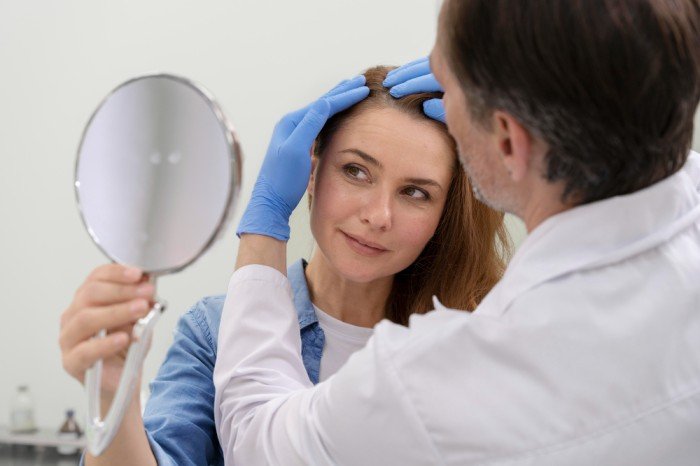
Instead of trying your luck by choosing any random biotin bottle, it is smarter to find out the reason behind hair fall at the very first place. A correct diagnosis not only saves your time and money but also helps in avoiding frustrations. A hair loss doctor will be able to diagnose your hormone levels and nutrient intake along with your scalp health, before you start taking any course of treatment. If the reasons are genetic or due to too much hair thinning then supplements alone will not be able to suffice. In such conditions, it makes the best sense to seek advice from the best hair transplant clinic in Gurgaon as qualified practitioners can identify the cause and determine whether it is supplements or a more advanced hair treatment solution such as hair transplant that is right for you.
The Bottom Line
Although biotin is not a silver bullet, it’s not entirely worthless either. It can indeed help, should there be an actual deficiency in your system, and is conducive to the overall health of your hair alongside a decent diet. That said, a standalone supplement cannot miraculously undo hair loss patterns dictated by heredity or chronic, extensive thinning.
As always, before doling out money on supplements potentially, just to buy your peace of mind, it’s best to find out the real culprit behind your receding hairline or thin patches.
While the solution could be as basic as increasing nutrient intake, some causes demand professional assistance from certified hair experts. If you’ve been struggling with the problem long enough and the remedies you’ve tried haven’t produced satisfactory results, schedule a visit with specialists for straightforward advice you can trust.