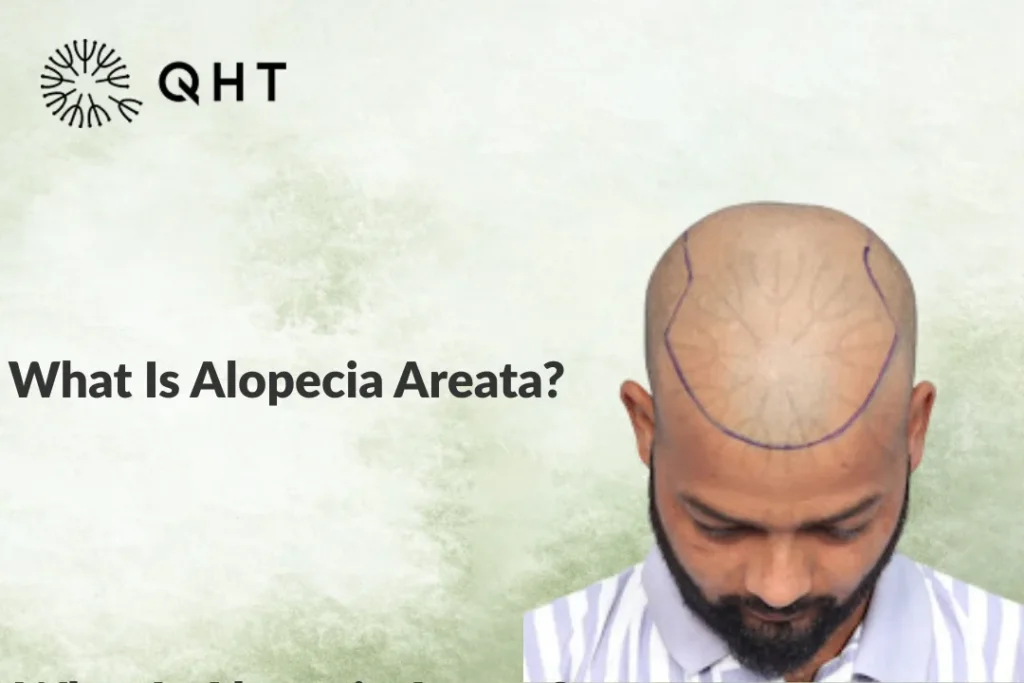
Alopecia areata is a condition that causes people to lose their hair. This alopecia areata hair loss can happen quickly and can be very surprising. It is different from the hair loss that men get when they get older. Some people only get one bald spot while others get many bald spots over time. The good news is that alopecia areata does not usually destroy the hair follicles, which means that hair can grow back with the care and alopecia areata treatment.
In this blog we will talk about what alopecia areata’s why it happens what the symptoms are, what treatment options are available for alopecia areata treatment and how new hair restoration solutions can help people with this condition.
Common Symptoms of Alopecia Areata Hair Loss
The obvious symptom of alopecia areata hair loss is the sudden appearance of smooth round bald patches. Many people first notice circular hairless spots on the scalp, patchy beard hair loss or more hair falling out in certain areas. The skin where the hair has fallen out is usually smooth and not scarred. Some people may also feel itching, a tingling sensation or a burning feeling before the hair falls out. In some cases the nails may also become ridged or rough.
Different Types of Alopecia Areata
Alopecia areata can look different in people. There are types of the condition depending on how severe it is and where the hair loss is Beard Alopecia:
Some men get hair loss just in the beard area. The condition can get worse or better at times. Some people only get it once while others get it times.
Is Alopecia Areata Permanent
This means that hair can grow back. Some people get their hair to grow back a little some get it to grow back completely and some peoples hair grows back on its own without any treatment.
However the condition can come back later because the immune system can still be active.
How Is Alopecia Areata Diagnosed
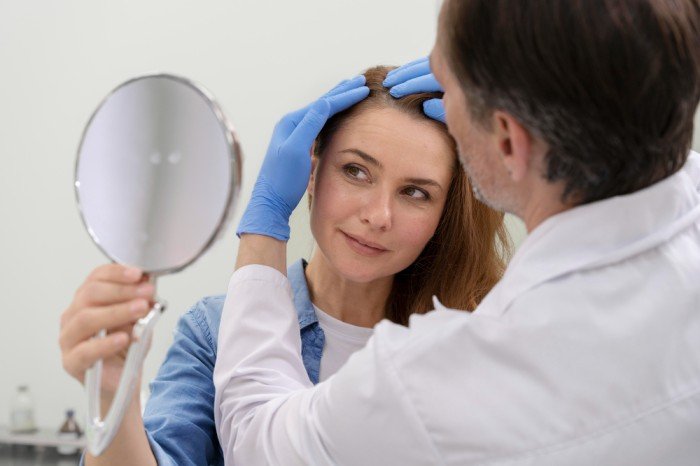
Diagnosis usually starts with a doctor looking at the scalp. The doctor will look at the pattern of hair loss the shape of the patches the condition of the scalp and the persons medical history. Some clinics also use tools to look at the hair follicles more closely. In some cases the doctor may do blood tests to check for thyroid problems, nutritional deficiencies or autoimmune conditions. A scalp biopsy is only needed in cases when the diagnosis is not clear.
Corticosteroid Treatment
Corticosteroids are one of the common treatments for alopecia areata treatment. They can be given as creams, injections into the scalp or pills in cases. These treatments help reduce the systems activity around the hair follicles.
GFC Treatment
GFC treatment is another treatment that helps improve the health of the scalp and hair follicles. It focuses on stimulating the hair follicles reducing their weakness and supporting recovery.
Stress Management
Although changing your lifestyle may not cure alopecia areata it can help keep your scalp and immune system healthy. Helpful things to do include eating a diet getting enough sleep managing stress and exercising regularly Reducing stress can help minimize the symptoms of alopecia areata hair loss in some people.
Can Hair Transplant Help Alopecia Areata
Hair transplant is not usually the option for people with active alopecia areata because the condition is still active. Doctors usually prefer to stabilize the condition monitor the hair growth and make sure the scalp is stable for a long time. Once the condition has been inactive for a time some people may be able to get a hair transplant.
Latest Advancements in Hair Restoration
New technologies have improved hair restoration a lot in years. Clinics now use scalp analysis, regenerative therapies, immune-focused treatments and personalized recovery plans. This allows specialists to create solutions for people with autoimmune-related hair loss conditions.
When Should You See a Hair Specialist
You should see a hair specialist if you get bald patches your beard hair falls out in patches you lose a lot of hair or your hair loss spreads quickly.
Conclusion
Although alopecia areata hair loss can be stressful and unpredictable many people can get their hair to grow back because the hair follicles stay alive. Treatment options like corticosteroids PRP therapy, GFC treatment and supportive scalp therapies can help manage the condition and support hair growth. Getting a diagnosis early following a doctors advice and taking care of your scalp can make a difference. For people who want to get a hair transplant clinics that do the best hair transplant in Gurgaon can evaluate the condition and recommend personalized solutions based on the severity and progression of the condition.