Hair is really different from one group to another and it is crucial to know about these differences when we talk about hair care and things like hair restoration. For example Caucasian hair and Asian hair are two types that people often talk about. They have their own special qualities when it comes to how they feel how thick they are, how they grow and how much of the scalp they cover. These differences are especially important when we are talking about hair restoration because when doctors are planning to do a hair transplant they need to think a lot about the structure of the hair follicles how dense the hair is and what the scalp is like. Clinics that specialize in hair transplant in Gurgaon and other places that are really good at restoring hair they always look really closely at the type of hair someone has before they say what treatment would be best, for them.
In this blog we will explore the differences between Caucasian and Asian hair understand common hair concerns discuss styling trends such as Asian short hair men and explain how hair type affects hair transplant procedures and long-term results.
Understanding Hair Types
Human hair is different across groups because of genetics, follicle shape, growth patterns and scalp characteristics.
The three commonly discussed hair categories are:
- Asian hair
- Caucasian hair
What Is Caucasian Hair?
Caucasian hair refers to hair commonly found among people of ancestry.
It is considered one of the diverse hair types because it can vary significantly in:
- Color
- Texture
- Curl pattern
- Density
- Thickness
Caucasian hair may be:
- Straight
- Wavy
- Curly
Characteristics of Caucasian Hair
Hair generally has:
- Medium hair shaft thickness
- High variation in texture
- Moderate density
- Softer appearance compared to hair
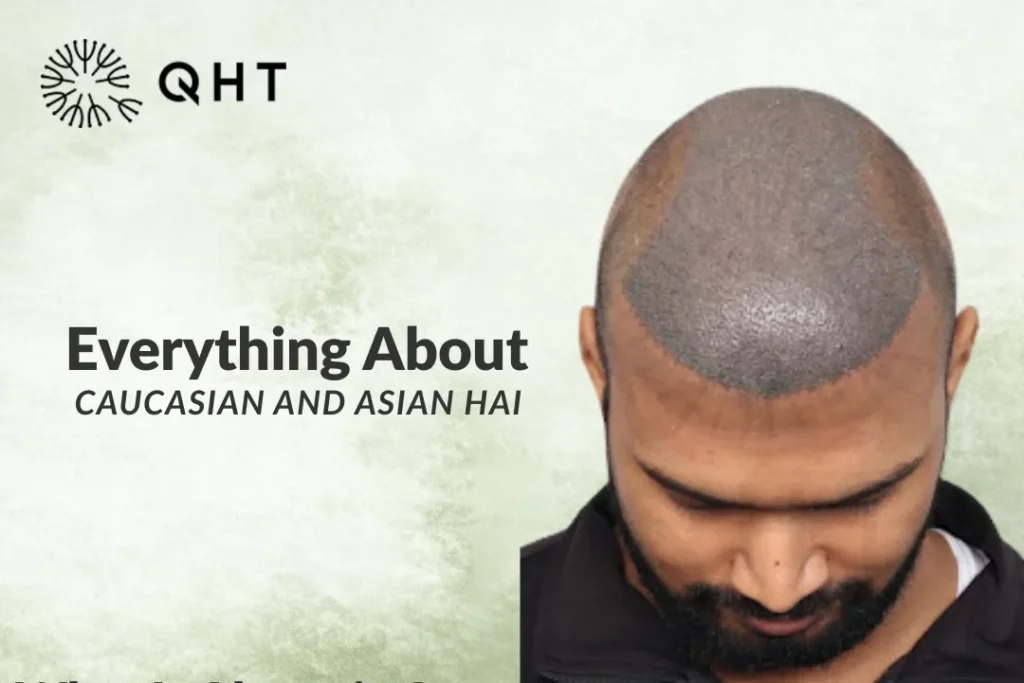
What Is Asian Hair?
Asian hair is commonly associated with East populations although hair characteristics may differ across regions.
Asian hair is often known for:
- Texture
- Thick hair shafts
- Dark pigmentation
- Dense scalp coverage
It is generally considered one of the strongest hair types structurally.
Characteristics of Asian Hair
Hair usually has:
- Thick individual strands
- Straight follicle shape
- Natural color
- Smooth texture
- Faster visual length growth
Because the strands are thicker Asian hair often appears fuller at lower follicle density.
Asian Short Hair Men Trends
Modern hairstyles for Asian short hair men have become extremely popular worldwide because of their appearance and styling flexibility.
Popular styles include:
- Crop
- Two-block haircut
- Side-part fade
- Korean-inspired layered cuts
- Undercut styles
The naturally straight and thick structure of Asian hair makes it suitable for sharp and defined hairstyles.
Hair Shaft Thickness
Asian hair generally has individual strands compared to Caucasian hair.
This thickness often provides:
- Better scalp coverage
- Fuller visual appearance
Caucasian hair tends to be finer on average although exceptions are common.
Hair Density
Caucasian hair usually has:
- Higher follicle density per centimeter
Asian hair may have:
- Slightly lower follicle density
- But thicker strands compensate visually
This is why Asian hair can still appear full.
Texture Differences
Asian hair is commonly:
- Straight and smooth
Caucasian hair varies greatly. May be:
- Straight
- Wavy
- Curly
Texture differences are influenced by follicle shape.
Growth Patterns
Asian hair often grows outward from the scalp at a flatter angle while Caucasian hair may show variation in direction and curl.
These growth patterns become important during hair transplant planning.
Common Hair Concerns in Caucasian Hair
People with hair commonly experience:
- Hair thinning
- Dryness
- Frizz in hair
- Split ends
- Pattern baldness
Fine hair texture may also make scalp visibility more noticeable during hair loss.
Common Hair Concerns in Asian Hair
Asian hair is usually strong but may still face issues such as:
- Oily scalp
- Flat-looking hairstyles
- Hair fall from stress or genetics
- Scalp sensitivity from treatments
Despite thicker strands genetic hair loss can still occur.
Hair Loss Patterns in Asian Hair
Male pattern baldness affects both Caucasian and Asian populations although progression patterns may differ slightly.
Common signs include:
- Receding hairline
- Crown thinning
- Reduced density
Genetics and DHT sensitivity remain the causes regardless of ethnicity.
How Hair Type Affects Hair Transplant Procedures
Hair characteristics play a role in transplant planning and final appearance.
Clinics performing hair transplant in Gurgaon usually evaluate:
- Hair thickness
- Curl pattern
- Donor density
- Hair color contrast with scalp
These factors influence graft placement and expected coverage.
Caucasian Hair in Hair Transplant
Hair restoration requires careful planning because:
- Fine hair may provide less scalp coverage
- Curl patterns vary
- Hairline design must match facial features
Curly Caucasian hair may sometimes create better visual density due to natural volume.
Asian Hair in Hair Transplant
Hair often provides:
- Stronger visual density
- Coverage per graft because of thicker strands
However Asian hair follicles are often deeply rooted and may require specialized extraction techniques. Hairline design also differs because Asian facial structures and natural hairline patterns are unique.
Importance of Natural Hairline Design
Successful hair restoration depends heavily on:
- Proper density planning
- Angles
- Ethnic facial harmony
An experienced surgeon understands how different hair types behave and designs hairlines accordingly.
Is Hair Transplant Successful for Both Hair Types?
Yes. Modern techniques such as:
- FUE
- DHI
Can provide natural results for both Caucasian and Asian hair when performed correctly.
Success depends on:
- Donor quality
- Surgeon expertise
- Planning
Than ethnicity alone.
Hair Care Tips for Caucasian Hair
- Moisturizing products
- Heat protection
- Gentle washing routines
- Sulphate-shampoos for dry textures
Hair Care Tips for Asian Hair
- Oil balance
- Volume maintenance
- Scalp hygiene
- Avoiding chemical processing
Lightweight products may work better for maintaining texture and movement.
Psychological Impact of Hair Loss
Many individuals experience:
- Reduced confidence
- Appearance-related stress
- Social anxiety
Latest Advancements in Hair Restoration
Modern hair restoration has become more advanced in recent years.
Today’s clinics use:
- Graft extraction tools
- Customized hairline planning
- Regenerative therapies
- High-density implantation techniques
This allows more personalized results for different hair types and ethnic backgrounds.
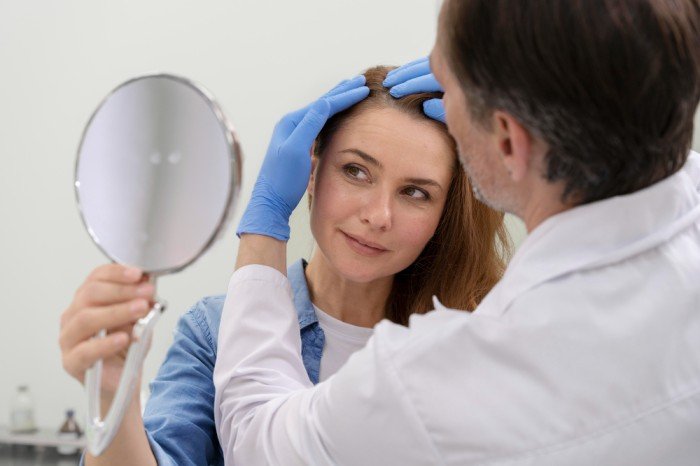
When Should You See a Hair Specialist?
- Hair thinning becomes noticeable
- Hairline starts receding
- Excessive shedding continues
- Scalp visibility increases
Conclusion
Clinics specializing in hair transplant in Gurgaon carefully Analyze hair characteristics to create treatment plans and natural-looking results. Whether discussing hairstyles for Asian short hair men or planning advanced hair restoration understanding hair type plays an important role, in maintaining healthier hair improving appearance and achieving long-term confidence.