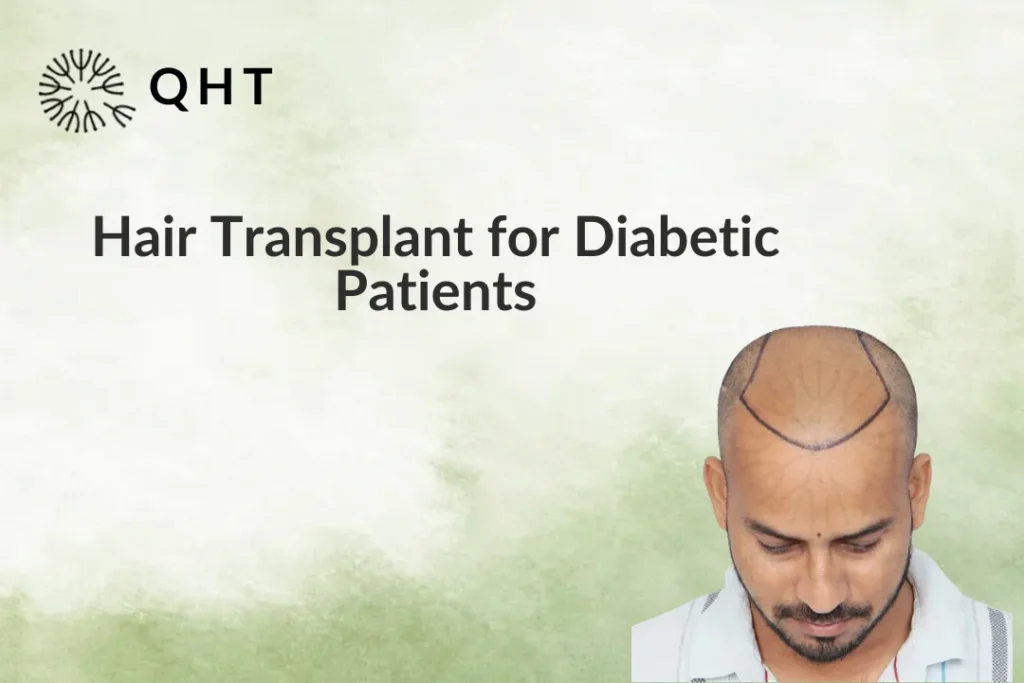
You’ve been a diabetic for decades. You are a very health conscious individual, keeping an eye on what you eat, managing blood glucose levels and adhere to medication on a regular basis. There’s just one issue you never anticipated diabetes taking from you – your hair. Hair thinning and hair loss are a common occurrence in patients with diabetes, more than what you might expect.
The combination of decreased blood circulation, hormonal fluctuations and deficiencies in certain nutrients can take a slow toll on your hair follicles. As you look into options and solutions, one query surely emerges in your mind: can I get a hair transplant if I have diabetes? The straight and unadulterated answer to this is: yes, you certainly can! But first, there’s a whole lot you should understand.
Why Do Diabetic Patients Lose More Hair?
When you are in a constant state of high blood sugar, not only does the sugar impact the major organs but it also starts causing a kind of slow damage to the micro-blood vessels in the body, which includes the one carrying blood to your hair follicles. Eventually the hair growth starts getting impacted, and certain areas on your scalp go hairless with time. What adds to this the higher rate of oxidation, hormonal issues like the thyroid problem, all of which diabetic individuals generally face. Thus by the time the hair fall becomes noticeable and starts taking notice, by that time, a lot of damage has already occurred in the body of a diabetic.
Is a Hair Transplant Safe for Diabetic Patients?
This is likely your most burning question, and your diabetes management is going to play the biggest role in the answer. If you are on an excellent treatment plan and have your blood sugar well controlled with an HbA1c typically under 7.5%, it will very likely be safe for you to proceed with a hair transplant procedure with great results. That being said, poorly controlled blood sugar does bring with it some real risks.
Excess glucose can impact healing time, immunity and raise the risk of post surgical infection. You likely can still have a hair transplant, but the first step will be stabilizing your condition. As long as you receive thorough preoperative evaluation, clearance from your doctor, and work with an experienced surgical practice, hair transplant for diabetes is often possible and is very safe.
What Are the Benefits?
Under the right circumstances, here are the benefits for diabetic patients undergoing hair restoration:
Permanent solution – Unlike creams or topical medications, which have to be applied every single day to maintain results, a hair transplant can restore your hair permanently. This is because hair transplants take the follicles from the back of your scalp, the one section of hair resistant to balding of the same type. – Hair will naturally integrate with your own hair so no one can tell you have had work done. – You’ll regain confidence – Bald spots on the head can have a significant psychological impact, causing you to lose a portion of your self-esteem. –The new procedure-modern FUE (Follicular Unit Extraction)-is also minimally invasive and you’ll get back to most everyday activities in a matter of days.
What Are the Risks Specific to Diabetic Patients?
Risk factors Similarly, honest conversation needs to include the risks involved with hair transplant for patients with diabetes, which includes: delayed wound healing: uncontrolled high blood sugar delays healing response in the scalp, affecting recovery after procedure; higher infection risk: as diabetic patients are more likely to experience an infection, it requires a careful selection of post-op cleanliness and practices; graft survival rate: poor circulation in unregulated diabetes may hinder the ability of the implanted grafts to survive in the new recipient sites. However, this risk is manageable not inherent as with careful pre-operative work and selecting the right surgical team.
Recovery Guide for Diabetic Patients
Recovery after Hair Transplantation for the Diabetic The recovery phase following a hair transplant for diabetic patients is much the same as the phase experienced by non-diabetics, with one or two important additions. Keep an eye on blood sugar in the days before and after surgery and be extremely disciplined about your scalp hygiene and post-op care guidelines. You should also be very careful about avoiding non-steroidal inflammatory drugs which may impact blood sugar levels and include a healthy protein diet in order to optimize tissue growth and graft retention. Schedule and attend all follow up visits to allow the doctor to monitor healing.
Final Thoughts
Diabetes doesn’t prevent a hair restoration procedure but it definitely introduces a bit of complexity. However, it does not mean it’s the end of the line! With a proper medical evaluation, stable blood sugar control and expert guidance from the right specialist, it is very possible for you to have the same natural and permanent hair restoration results as other individuals.
If you’re considering taking this path to restore your hair, the first and the foremost thing to do is getting a professional consultation. At QHT Clinic, a hair transplant clinic in Gurgaon, our experts thoroughly analyse the medical history, present medical conditions and hair fall patterns of each individual to determine the best possible treatment plan for them. We strongly believe in providing genuine advice, not just appointments.
Call to book your free hair transplant consultation.