After months of heat, we finally experience the respite from the monsoon with the cool rain and a much-needed respite. But every monsoon, with every wash and rinse, the water begins accumulating on top of your pillow, the hair is collected in the bathroom drain, the shower drain is choked, or you end up finding a clump in your comb, hair falling out more than usual! If that is you, and even otherwise, if it wasn’t you earlier but now that you know what it is, your dread is confirmed that indeed yes, after all it is happening, and indeed yes, all through the hair fall during monsoon will continue falling out.
But they don’t despair, there’s light at the end of the hair tunnel, as this kind of hair fall is temporary. All you need to know is what’s really going on with your scalp during these months.
Why Does Hair Fall Increase During Monsoon?
Monsoon is the biggest nightmare for your hair. Monsoon causes the scalp to sweat, which in turn results in more moisture to your scalp, and along with rainwater, these elements ruin the natural balance of your scalp. Rain is not what you thought, actually! Rainwater comprises all sorts of pollution in the atmosphere along with acids.
When this settles down on your hair it may result in weakening of the strands at the roots. Apart from that, there’s so much dampness in the air, and due to this moisture, your hair may easily pick up dust and dirt resulting in scalp infections such as itching and flaking, fungal infections, etc. On top of it, your strands may absorb too much moisture, swell up and lose its elasticity resulting in them breaking down when combing or even tying up.
Common Causes Behind Monsoon Hair Fall
Usually, the mix of all these typical offenders causes your hair shedding during the seasons. Fungal/bacterial proliferation of skin cells: When your skin remains damp for the day your hair & follicles risk getting skin infections from these two issues.
Diluting/weakening hair roots: Exposure to rain & high humidity every day makes hair roots weaken from exposure. Chapped and flaky skin: Especially bad when you forgo wash day and your scalp doesn’t have enough time to dry.
Too much oily skin as well as sweaty skin: Because their clogged follicles cause the hair to be bogged down by oil & sweat preventing growth.
Lack of ventilation for the scalp: when people put their hair up trying to prevent frizz the moisture trapped up against the scalp/hair exacerbates many things! Each condition alone may not be permanent for your body, but all these things that cause hair shedding can easily be solved with some simple tweaks to your current routine, and you may find yourself surprised by the difference it makes very quickly!
Simple Prevention Tips That Actually Help
Your monsoon hair care routine shouldn’t be a complicated one, but definitely needs to be consistent. Make sure you rinse your hair out the moment you return from getting drenched in the rain, as leaving rainwater on the scalp for long hours is one of the primary reasons of scalp irritation and hair breakage. Post this, use a mild sulphate-free shampoo twice or thrice in a week to ensure a clean scalp without stripping the natural oils off your hair.
Make it a point to always dry your hair completely before you head out, and more importantly before going to sleep, as leaving the scalp damp overnight can cause severe infections.
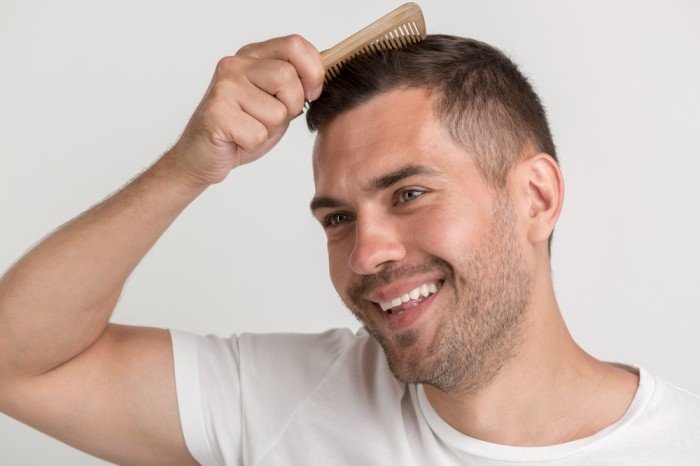
Prefer using a wide-toothed comb, so you can manage your frizzy or damp hair relatively well, without too much stress in contrast to a fine-toothed one. The importance of food can’t be emphasized enough; incorporate iron-rich foods and proteins like eggs, and leafy green vegetables and berries, and fruits for healthier growth from the roots up. Hydration and good sleep play a crucial role in maintaining a healthy cycle of growth as exhaustion and stress can result in unwanted hair fall. Get a gentle massage on the head with some light massage oil twice in a week for a boost of blood flow.
When Should You See a Specialist?
Shedding during monsoons comes in certain amount, and naturally the same gets over when the weather conditions change back to their natural order. But if there is significant hair loss in clumps or there is visible hair loss and bald patches that do not heal with proper hair care treatment, then it is in one’s best interest to consult and investigate with an expert rather than waiting and suffering from hair loss and other Hair problems. A hair trichologist or dermatologist can best tell if the seasonal and non-seasonal hair fall cause is a sign of another condition such as Scalp infection Hormonal balance or some kind of early pattern hair loss. Those experiencing long-term and hair that have not been getting results with homecare and looking for the best hair transplant in Gurgaon clinic then to investigate whether more than seasonal treatment will make a Difference with their and expect results from the best hair transplant clinic.
Final Thoughts
When you observe that the shedding is high with an increased frequency during monsoons, you might feel worried. The reality is that this is largely your scalp’s way of coping with the drastic change in season as humidity and wetness affect it a lot. Washing hair, after getting wet from rain; ensuring scalp dryness; proper diet; handling wet hair carefully are some easy practices that prevent such situations. In case if it still does not stop, then consultation from one among the providers of hair transplant in Gurgaon will determine the real reason for the fall of hair, in due time.